Connect with us

All

London: Queen Elizabeth II Funeral
Moment of silence throughout Britain Royals and World Leaders attend

Published

on

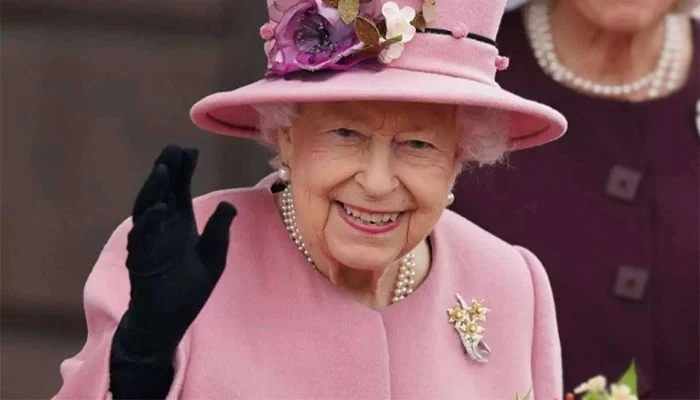
Today, 19 September, 2022, marks the Funeral of Her Majesty Queen Elizabeth II.
The entire United Kingdom held a moment of silence for Queen Elizabeth II at 8 p.m. local time.
Amid the arrival of leaders in London from around the world for her state funeral.

President Biden and other dignitaries arrived in London for the funeral. Around 500 Royals, Heads of State and Heads of Government from across the globe have been invited.

Notably, on Sunday 18 September, Biden and first lady Dr. Jill Biden paid their respects at Westminster Hall. They were joined by Jane Hartley, U.S. Ambassador to the United Kingdom. The president and first lady each then signed the official condolence book for
Her Majesty Queen Elizabeth II at Lancaster House.

Biden terms the Queen as the same in person as her image — decent, honorable, all about service. He said “Our hearts go out to the royal family, King Charles and all the family. It’s a loss that leaves a giant hole. Sometimes you think you’ll never overcome it, but as I’ve told the king, she’s going to be with him every step of the way, every minute, every moment. And that’s a reassuring notion.”

Meanwhile, Thousands of people braving the chilly overnight temperature continued to line up around the clock to file past the Queen’s coffin as it lies in state at Parliament’s Westminster Hall.
Notably, amid a silent vigil on Saturday evening, the Queen’s eight grandchildren, led by heir to the throne Prince William, circled the coffin and stood with heads bowed.

The miles-long queue at Westminster Hall closed to new arrivals on Sunday at 10:30 p.m. local time to enable everyone in line to file past the coffin before Monday morning, when it will be borne on a gun carriage to Westminster Abbey for the funeral.

On Sunday, the Queen’s third child, Prince Andrew, paid tribute to his Mother.

In a statement, he asserted that “as our book of experiences closes, another opens, I will forever hold you close to my heart with my deepest love and gratitude, and I will tread gladly into the next with you as my guide.”

Thousands of police officers from around the country are on duty as part of the biggest one-day policing operation in London’s history.

Crowds also gathered on Sunday near Windsor Castle, where the queen was laid to rest at a private family ceremony on Monday evening.

Camilla, the new queen consort, married to King Charles III,
paid tribute to the queen in a video message, saying the monarch “carved her own role” as a “solitary woman” on a world stage dominated by men.

“I will always remember her smile. That smile is unforgettable.”

A sea of humanity continued to stream into Westminster Hall, where the queen’s coffin is lying in state, draped in the Royal Standard and capped with a diamond-studded crown. The number of mourners has grown steadily since the public was first admitted on Wednesday, with a queue that stretches for at least five miles along the River Thames and into Southwark Park in the city’s southeast.

Honoring their patience, Charles and William made an unannounced visit Saturday to greet people in the line, shaking hands and thanking mourners in the queue near Lambeth Bridge.

Later, all the queen’s grandchildren stood by her coffin. William and Prince Harry, Charles’ sons, were joined by Princess Anne’s children, Zara Tindall and Peter Philips; Prince Andrew’s daughters, Princess Beatrice and Princess Eugenie; and the two children of Prince Edward, Lady Louise Windsor and James, Viscount Severn.

William stood with his head bowed at the head of the coffin and Harry at the foot. Both princes, who are military veterans, were in uniform. Mourners continued to file past in silence.

Before the vigil, Princesses Beatrice and Eugenie issued a statement praising their “beloved grannie.”

“We, like many, thought you’d be here forever. And we all miss you terribly. You were our matriarch, our guide, our loving hand on our backs leading us through this world. You taught us so much and we will cherish those lessons and memories forever.”

The lying-in-state continued until early Monday morning, when the queen’s coffin will be moved to nearby Westminster Abbey for the funeral, the finale of 10 days of national mourning for Britain’s longest-reigning monarch.

After the service on.Monday at the abbey, the late queen’s coffin will be transported through the historic heart of London on a gun carriage. It will then be taken in a hearse to Windsor, where the queen will be interred alongside her late husband, Prince Philip, who died last year.

News Input : K.V.Raman

All

Britain’s ‘Kindest Plumber’ Faked Acts of Kindness to Raise Donations

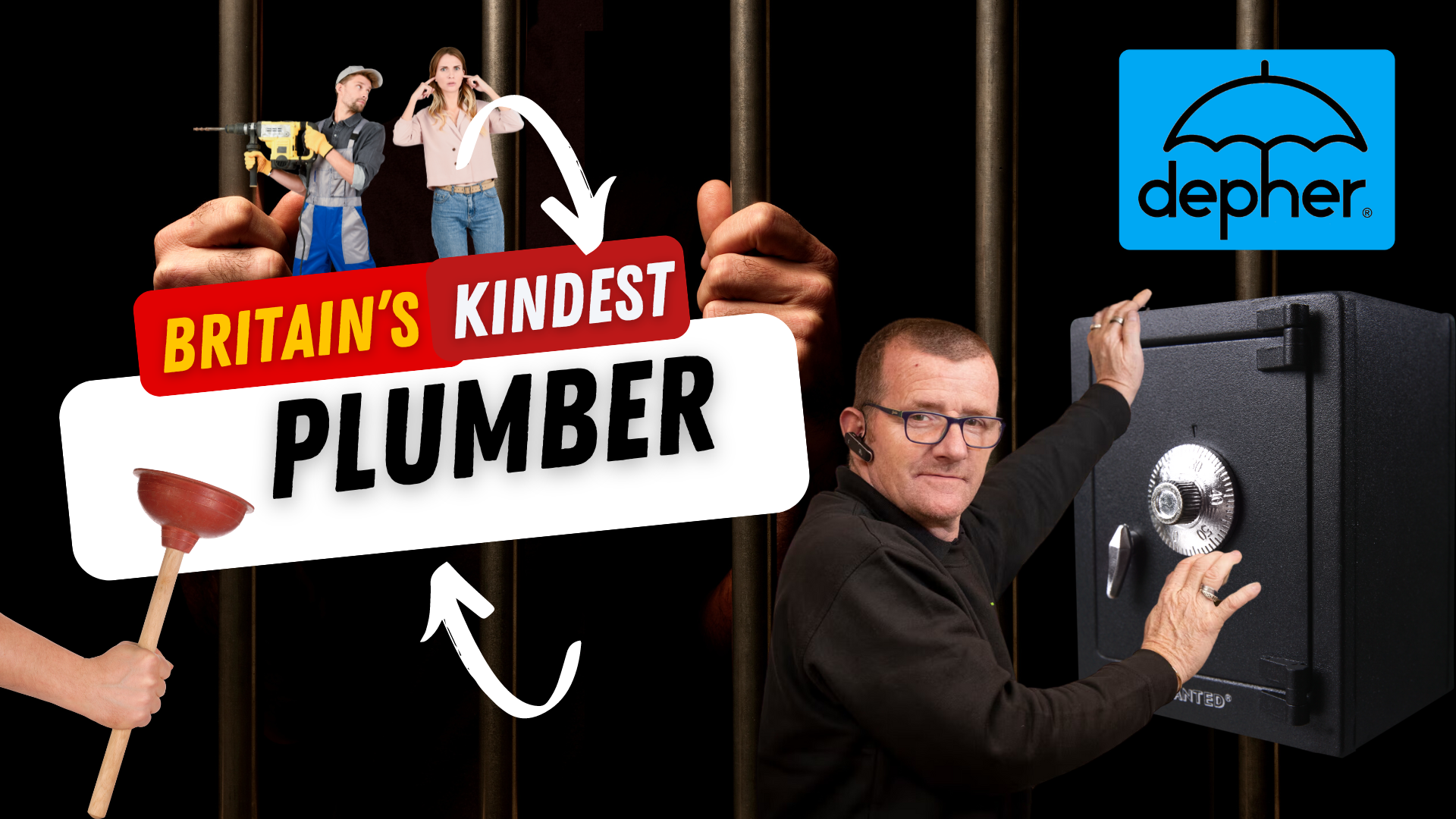
James Anderson, often celebrated as “Britain’s kindest plumber,” has come under intense scrutiny after revelations that his social enterprise, Depher, fabricated stories to boost donations. The BBC investigation discovered that Depher used photos of deceased individuals and misled the public about its charitable acts.

Published

on

James Anderson, often celebrated as "Britain's kindest plumber," has come under intense scrutiny after revelations that his social enterprise, Depher, fabricated stories to boost donations. The BBC investigation discovered that Depher used photos of deceased individuals and misled the public about its charitable acts.

James Anderson, often celebrated as “Britain’s kindest plumber,” has come under intense scrutiny after revelations that his social enterprise, Depher, fabricated stories to boost donations. The BBC investigation discovered that Depher used photos of deceased individuals and misled the public about its charitable acts.

James Anderson, 56, founded Depher (Disabled and Elderly Plumbing and Heating Emergency Response) in 2017. The company quickly gained fame for its heartwarming stories of providing free services to vulnerable people during the UK’s cost-of-living crisis. These stories attracted significant media attention and financial support, with celebrities like Lily Allen, Samantha Giles, and Hugh Grant contributing generously. However, many of these stories were later found to be false.

One of the most egregious examples involved an elderly woman named Joyce. Depher’s social media claimed that Anderson had prevented Joyce from committing suicide by providing her with hot water. However, Joyce had actually died in February 2020, a year before Depher began using her image. Her daughter, Andrea, told the BBC, “He’s using vulnerable people like my mother as a money-making machine.”

Despite Depher’s positive public image, the BBC’s investigation revealed a pattern of misleading posts. Anderson admitted, “I know I’ve done it wrong. I apologise. But what can I do? I haven’t got a magic stick. I’m not Harry Potter.” He attributed some of his actions to a relentless campaign of “bullying, harassment, and attacks” from online trolls.

Depher’s social media posts often featured vulnerable individuals without their consent. In one instance, the company posted images of a man in his nineties, sharing sensitive information about his sexuality despite the man’s explicit refusal to be filmed. A neighbor who knew the man for 30 years said, “He was a private person, he would never agree to anything like that. I think that’s disgusting.”

The company also falsely accused a domestic abuse victim named Gemma of theft, using photos of her and her children without permission. Gemma said, “It was probably the most vulnerable I have been in my life. They’ve just made something that’s very private to my life very, very public.”

Furthermore, the investigation revealed that Anderson had used company funds to purchase a house and a car. Anderson defended the house purchase by claiming it allowed him to reopen a food drive that benefited the community. However, this explanation did not satisfy all critics.

Depher had claimed to help over two million people, but Anderson later admitted these figures were “guesstimates.” He said, “It’s the overall effect, we’ve not just helped that one person but the family members.”

Former employees also raised concerns about safety practices within Depher. One staff member recalled an engineer smoking near a leaking boiler, an incident captured in photos posted by the company. Anderson described the gas as “isolated” and the work as “safe,” but the Gas Safe Register confirmed that only Anderson was properly registered.

In response to the allegations, Anderson has attempted to apologize and make amends. He told the BBC, “I apologise, I really do apologise. And I hope you can find it in your heart to accept it. I’m really sorry and I will make amends.”

Highlighting the scale of the issue, Anderson has received thank-you letters from dignitaries, including the late Queen and King Charles, and won a Pride of Manchester award. However, his reputation has been severely tarnished by these revelations.

Supporters of Depher argue that the organization has genuinely helped many people, providing essential services during a time of need. Critics, however, emphasize the importance of transparency and integrity in charitable work. The misuse of funds and false stories undermine the trust necessary for effective community support.

As Anderson seeks forgiveness, the broader conversation about ethical practices in charity organizations continues. This scandal serves as a reminder of the need for accountability and honesty, even in efforts to do good.

Key Points:

  • James Anderson, known as “Britain’s kindest plumber,” fabricated stories of helping vulnerable people to raise donations for his company, Depher.
  • Depher used photos of deceased individuals and posted misleading information on social media.
  • Celebrities like Lily Allen and Hugh Grant donated to Depher based on these false stories.
  • Anderson admitted to using company funds to purchase a house and a car, defending these actions as necessary for the community.
  • Former employees raised concerns about safety practices and the misuse of funds within Depher.
  • Anderson has apologized and is seeking forgiveness, promising to make amends.

Continue Reading

All

Unveiling the Controversial Secrets of London’s Red Light District: Shadows in Soho

Published

on

In the heart of London’s bustling Soho district lies a facet often obscured by the glitz and glamour – a red-light area shrouded in controversy. As we delve into the secrets and stories of this infamous locale, we uncover a complex tapestry of societal perspectives, personal narratives, and the perpetual debate surrounding the red light district.

Nestled amid the vibrant streets of Soho, London’s red-light district has been a subject of fascination and contention. Infamous for its dimly lit alleys and discreet entrances, this area has, over the years, become synonymous with an industry that exists on the fringes of societal acceptance.

The myriad of neon lights casts an eerie glow on the cobblestone streets, where the history of the red-light district intertwines with the broader narrative of Soho’s evolution. Once a bohemian haven, now a place where pleasure and prohibition coexist in a delicate dance.

Actor and Soho regular, Emma Watson, remarked, “Soho is a paradox – a place where creativity and controversy converge, revealing a side of London often unseen.”

Jazz musician Jamie Cullum shared his thoughts, saying, “Soho’s red-light district is a dichotomy, reflecting both the diversity and the challenges that define this iconic neighborhood.”

Local business owner, Sarah Turner, stated, “It’s a double-edged sword – the red light district draws attention, but the stereotypes associated with it sometimes overshadow the vibrant community that resides here.”

The red-light district is home to a spectrum of establishments – from discreet parlors offering adult entertainment to historic pubs and eclectic eateries. Each cobblestone tells a story, not only of intimate encounters but also of the evolving attitudes towards sex work, gentrification, and the preservation of Soho’s cultural heritage.

While some argue that the red-light district is an essential part of Soho’s identity, others contend that it perpetuates harmful stereotypes and poses challenges to community well-being. Local resident, Rebecca Carter, shared her perspective, “It’s about finding a balance – acknowledging the history without allowing it to define the neighborhood’s future.”

In contrast, entrepreneur and Soho enthusiast, David Patel, emphasized the need for a nuanced approach, stating, “Soho’s red-light district is a reflection of societal complexities. Rather than stigmatizing, let’s engage in open conversations about regulation and support for those involved.”

As the neon lights flicker against the backdrop of historic facades, London’s red-light district remains an enigma within the folds of Soho. The stories embedded in its narrow lanes echo the larger societal conversation on sexuality, consent, and the evolving landscape of urban spaces.

Continue Reading

All

UK High Street Shudders as Body Shop Enters Administration, Putting 2,000 Jobs at Risk

Published

on

UK High Street Shudders as Body Shop Enters Administration, Putting 2,000 Jobs at Risk

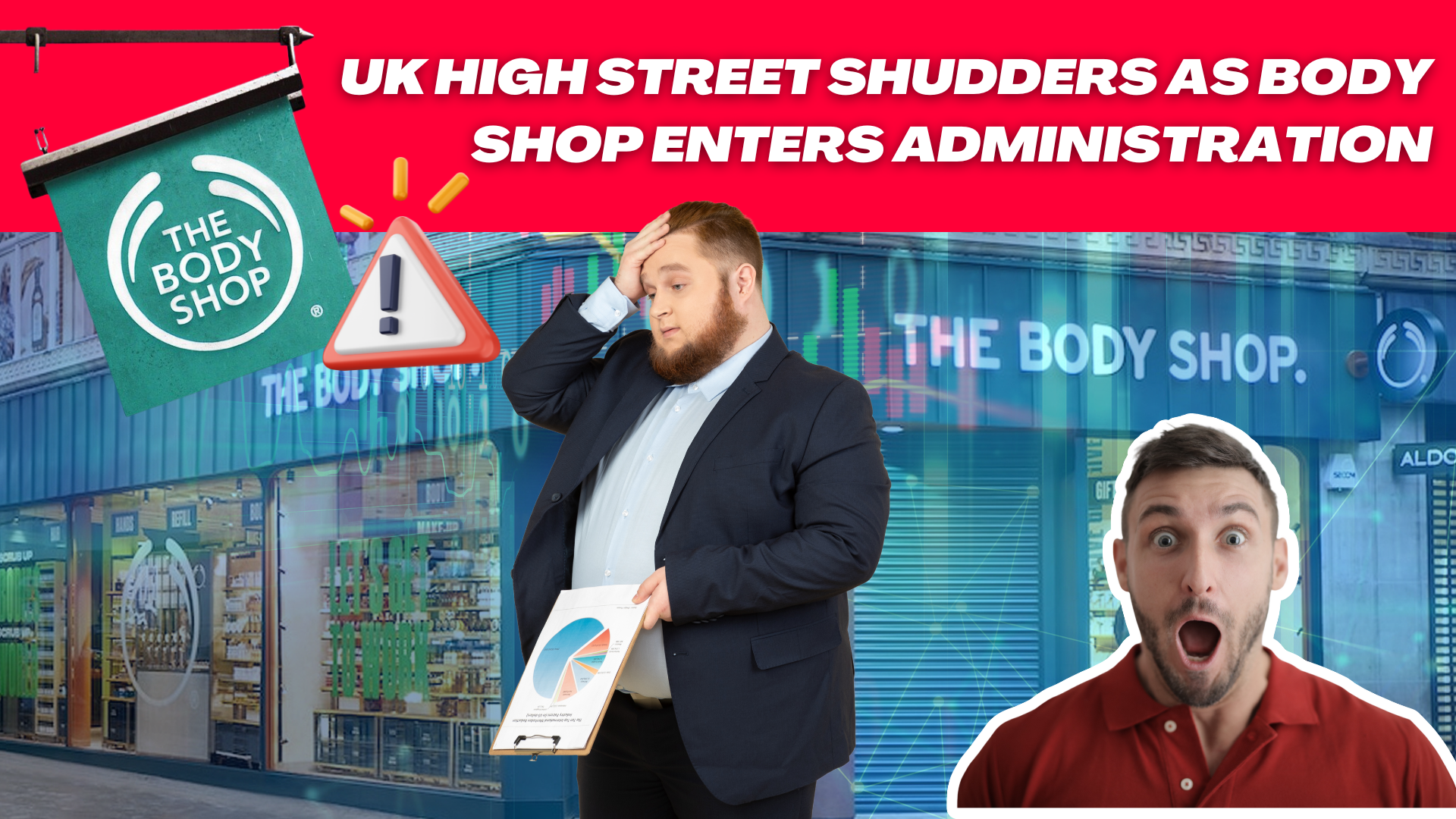
London, UK – February 13, 2024: The beloved Body Shop, a household name in ethical beauty, has become the latest casualty of the UK’s retail crisis, entering administration and jeopardizing up to 2,000 jobs across its 90 stores. This news adds to mounting concerns about the fate of the high street and its workforce, already reeling from a wave of closures and job losses.

“This is devastating news for employees, communities, and the future of ethical retail,” said John Richards, General Secretary of the Retail Employees Union. “We urge the government to take immediate action to support affected workers and local businesses hit by store closures.”

The Body Shop’s collapse follows a string of high-profile retail casualties in recent years, including Debenhams (12,000 jobs lost), House of Fraser (thousands of job cuts), and the Edinburgh Woollen Mill Group (1,161 job losses). According to the British Retail Consortium (BRC), retail employment has shrunk by 3.9% compared to pre-pandemic levels, with over 128,000 jobs lost in 2023 alone.

What’s Driving the Retail Apocalypse?

Experts point to a confluence of factors:

  • The pandemic-fueled surge in online shopping: Consumers increasingly shift towards the convenience and wider selection offered by online retailers.
  • Crippling costs: Rising energy bills, wages, and supply chain disruptions squeeze profit margins.
  • Changing consumer habits: Preferences evolve towards personalized, experience-driven retail, which many traditional high street stores struggle to provide.

Retailers Divided, Experts Fear Further Losses:

The Independent Retailers Association (IRA) urges policymakers to “level the playing field” between online giants and high street businesses through fair taxation and regulations. However, others see opportunities in the crisis.

“This is a wake-up call for retailers to innovate,” says retail analyst Sarah Jones. “Stores need to offer unique experiences, embrace omnichannel strategies, and invest in employee skills to stay relevant.”

Is There Hope for the High Street?

Despite the gloomy outlook, some experts believe the high street can adapt and thrive. They suggest:

  • Focusing on local communities: Supporting independent businesses and revitalizing town centers can create vibrant, community-oriented shopping experiences.
  • Embracing sustainability: Consumers increasingly prioritize ethical and eco-friendly practices, providing an opportunity for brands that align with these values.
  • Investing in innovation: Experimenting with technology, personalized experiences, and omnichannel strategies can attract customers back to physical stores.

A Grim Toll:

  • Body Shop: 2,000 potential job losses across 90 stores.
  • 2023: Over 128,000 retail jobs lost, according to Express.co.uk.
  • Since 2020: Retail employment down by 3.9% compared to pre-pandemic levels, reports BRC.
  • High Street Vacancy Rates: Still above pre-pandemic levels, warns Fashion Network.

Beyond Body Shop:

  • Debenhams: Collapsed in 2021, impacting 12,000 employees.
  • Edinburgh Woollen Mill Group: 1,161 jobs lost in store closures across several brands.
  • House of Fraser: Rescued in 2020, but thousands of jobs cut.

Why the Slide?

  • Shift to Online Shopping: Accelerated by the pandemic, it’s reshaping retail landscapes.
  • Rising Costs: Energy, wages, and supply chain disruptions put pressure on profit margins.
  • Changing Consumer Habits: Preferences for online convenience and experience continue to evolve.

Views and Concerns:

  • Retail Employees Union: “Government must act to support workers and communities hit by store closures.”
  • Independent Retailers Association: “We need policies to level the playing field between online giants and high street businesses.”
  • Industry Experts: Warn of further store closures and job losses without government intervention and adaptation strategies.

Looking Ahead:

While the situation seems bleak, some see opportunities amidst the challenges:

  • Experts Propose Innovative store experiences, omnichannel strategies, and investment in employee skills.
  • Local Focus: Supporting independent businesses and revitalizing town centers.
  • Sustainable Practices: Consumers increasingly prioritize ethical and eco-friendly options.

What You Can Do:

  • Support local businesses and choose shops with ethical practices.
  • Advocate for fair treatment of retail workers and responsible policy changes.
  • Stay informed and raise awareness about the challenges facing the high street.

The Body Shop’s administration is a stark reminder of the vulnerabilities facing the UK’s retail sector. Whether the high street can survive and thrive depends on collective action, innovative thinking, and a commitment to creating a sustainable and ethical future for retail.

Continue Reading

Trending