Connect with us

Social Entrepreneurs

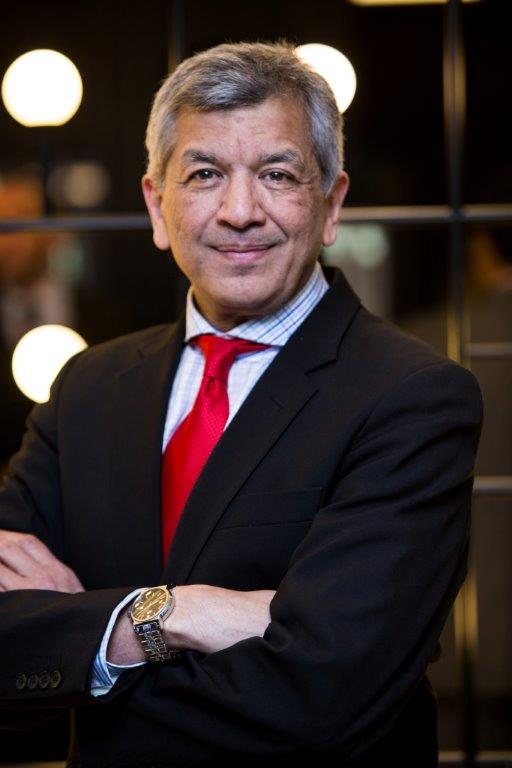
London Assembly Member for East London Umesh Desai shares his candid views on emerging as first COUNTRY to authorise Covid-19 Vaccine.

Published

on

News Input by Kamal Prabhakar Uk Head Hello london News :

Unmesh Desai is the London Assembly Member for East London and the City of London, a constituency that is home to both some of the richest and some of the poorest communities in not just London but the whole of the UK. He’s responsible for scrutinising the work of the Mayor of London and representing the needs of his constituents in London-wide matters.

Speaking as the UK begins to administer the first Covid-19 vaccinations in the world, Mr Desai said:

“I am delighted that the UK is now rolling out the Covid-19 vaccine – it brings real hope. Just today I took my mum to her appointment to get the vaccine and I was impressed at the efficiency of the NHS’s operations.

“Everyone here and around the world still needs to be careful for now until the vaccine reaches a large percentage of the population. In East London right now, cases are still rising and the UK Government needs to do more to protect people. Just today I heard of the death of a friend from Covid-19.

“Until the vaccine has been administered to everyone, we all need to keep taking care of ourselves, socially distancing, wearing a mask and washing our hands regularly.

“Through my work on the London Assembly’s Health Committee, I’ve learned how vitally important it is that we bust the myths – and they are just myths – that the vaccine is dangerous. We need to make sure as many people as possible learn the real facts and take the vaccine, to prevent more needless deaths. I’ll be taking it myself as soon as it’s available to people in my age group.

“Looking to the future, there are many lessons to be learned from this pandemic about the need for proper investment worldwide in the technology and systems needed to deal with any future pandemics as quickly and safely as possible, as well as reducing health inequalities around the world – inequalities that have been the cause of too many deaths this year.

“The richest people in the richest countries should not have a monopoly on being kept safe and healthy, so let’s learn from Covid-19 and do better for everyone in the future.”

Continue Reading
Click to comment

Leave a Reply

Your email address will not be published. Required fields are marked *

This site uses Akismet to reduce spam. Learn how your comment data is processed.

All

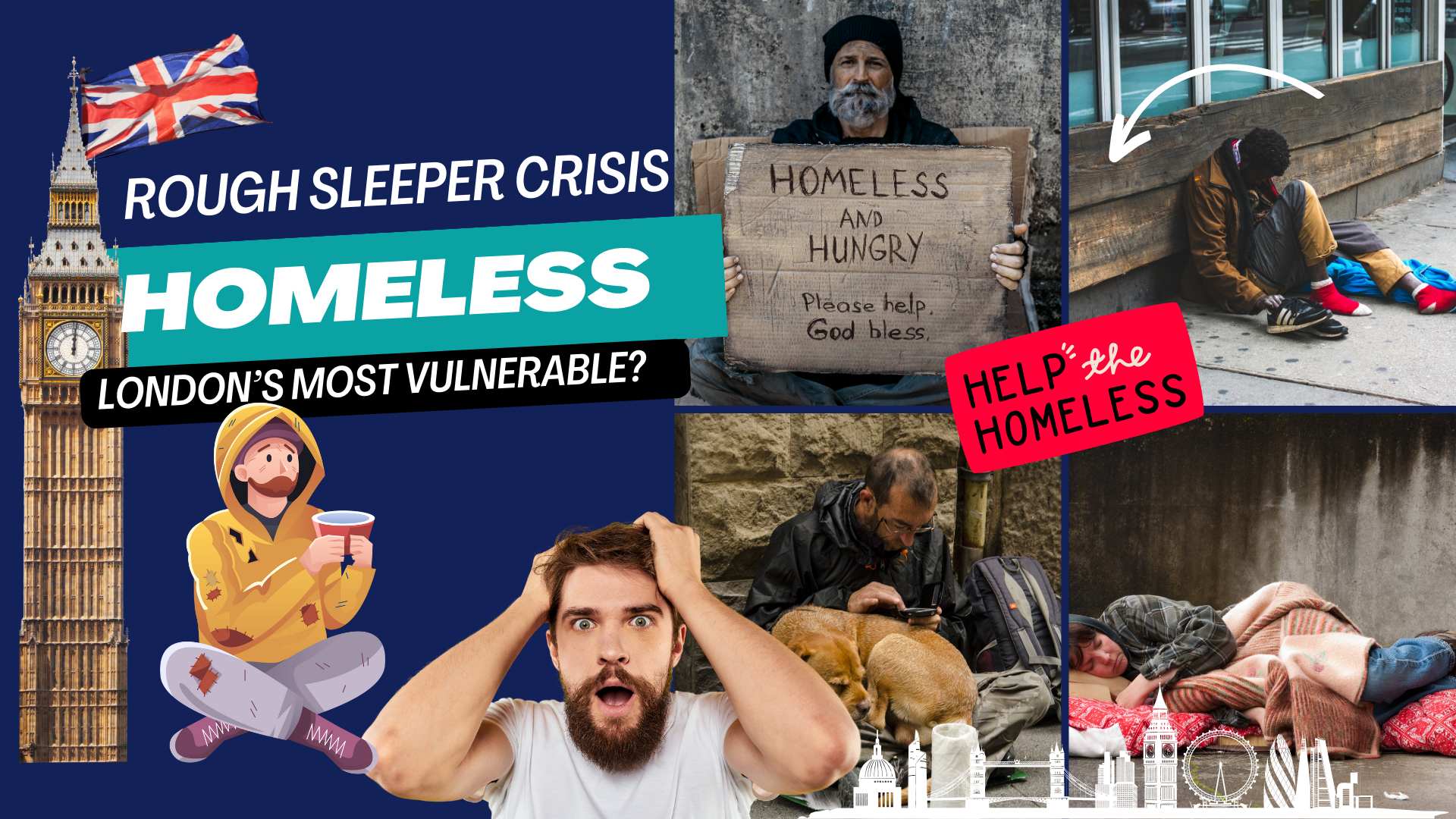
London’s Rough Sleeper Crisis: A City Forgetting Its Most Vulnerable?

Published

on

The iconic skyline of London, a glittering symbol of wealth and prosperity, casts a long shadow over a growing darkness: the stark reality of homelessness. While tourists flock to Big Ben and Buckingham Palace, a staggering number of Londoners find themselves sleeping rough on cold, unforgiving streets. This escalating crisis demands immediate attention, with questions swirling about how a city boasting such abundance can allow its most vulnerable to slip through the cracks.

Celebrity Captions Fighting London’s Homelessness Crisis:

Emma Watson: In a city dripping with diamonds, some sleep on cold concrete. London, we can do better. Donate, volunteer, raise your voice. Let’s end homelessness, not turn a blind eye. #LondonHomelessCrisis #EveryLifeMatters

Idris Elba: London’s streets shouldn’t cradle despair, they should echo with laughter. Support mental health services for our homeless community, they’re our neighbors, our friends, our fellow humans. #MentalHealthMatters #EndRoughSleeping

Rita Ora: From Big Ben to Big Hearts. 1 in 50 Londoners homeless?! That’s not a statistic, it’s a wake-up call. Contact your MP, demand better housing, fight for a city that shelters all. #HousingForAll #LondonUnite

David Beckham: Goals without humanity are empty nets. London, let’s show our true strength – invest in social housing, build homes not barriers. #ShelterNotStigma #HomelessHelp

Dua Lipa: We’re dancing on broken pavements while some have nowhere to lay their heads. Let’s raise the beat of compassion, London. Volunteer, share resources, be the change you want to see. #VolunteeringForAll #CommunityStrength

Stephen Fry: In a city of whispers, let’s amplify the voices of the forgotten. Share the stories of London’s homeless, break the silence, spark action. #StorytellingForChange #BreakingTheSilence

Jamie Oliver: No Londoner should go hungry, period. Support food banks, community kitchens, offer a warm meal, a friendly smile. Food is love, let’s share it with everyone. #FoodForAll #CommunityKitchenLove

Recent statistics paint a grim picture: rough sleeping in London has jumped 12% compared to last year, with London Councils estimating one in 50 Londoners experiencing homelessness. These figures only scratch the surface, neglecting the “hidden homeless” – those sleeping on friends’ couches, in squats, or facing insecure accommodations. Experts like Tony Miller MBE, CEO of Whitechapel Mission, warn of a growing acceptance of rough sleeping, a chilling sentiment echoed by Liz Rutherfoord, CEO of the Single Homeless Project. They point to insufficient mental health support and a broken private rental market as major contributing factors.

Controversial Point:

While some may argue that London’s homeless population reflects a national issue, the sheer concentration of wealth and resources in the city amplifies the ethical dissonance. A 2023 report highlighted Westminster, London’s most expensive borough, with the highest number of rough sleepers (2050) – almost triple the figure of the second-highest area. This juxtaposition of extreme wealth and abject poverty raises uncomfortable questions about priorities and societal values.

Conclusion:

London’s homeless crisis is not simply a numbers game; it’s a human tragedy. Ignoring the plight of our most vulnerable citizens cannot be an option. Immediate action is needed: increased investment in social housing, tackling the mental health crisis within the homeless population, and a fundamental shift in attitudes towards rough sleeping. The city we build is reflected in how we treat our most marginalized, and London risks losing its soul if it allows its homeless population to remain on the periphery.

Steps You Can Take:

  • Donate to homeless charities: Organizations like Whitechapel Mission and the Single Homeless Project work tirelessly to support rough sleepers.
  • Volunteer your time: Soup kitchens, shelters, and outreach programs often depend on volunteers.
  • Raise awareness: Talk to your friends, family, and elected officials about the issue.
  • Challenge stigma: Don’t avert your gaze or dismiss rough sleepers as invisible. Treat them with the respect and dignity they deserve.

Together, we can work towards a London where everyone has a roof over their head and a place to call home. Let’s make the iconic London skyline a beacon of hope, not a monument to indifference.

Continue Reading

All

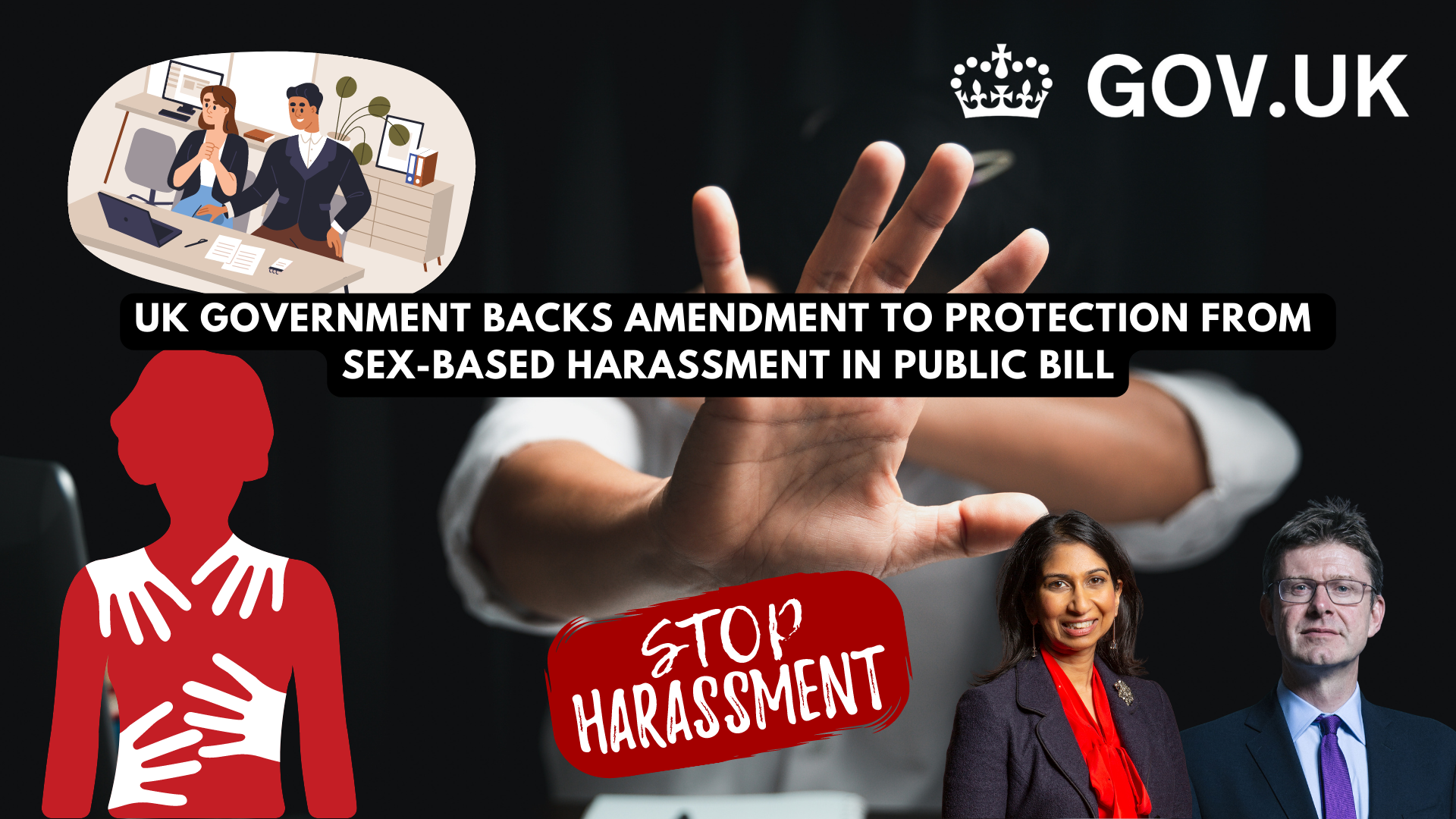
UK Government Backs Amendment to Protection from Sex-Based Harassment in Public Bill

Published

on

New guidance will help police crack down on public sexual harassment

The UK government has confirmed its support for an amendment to the Protection from Sex-Based Harassment in Public Bill, which will increase the severity of sentences for those who deliberately harass, alarm, or distress someone in a public place because of their sex. The maximum sentence will be increased from six months to two years.

The bill’s sponsor, Greg Clark MP, tabled the amendment which will require the government to produce statutory guidance for the police to help them enforce the new offence. The statutory guidance will also clarify how the legal defence available to defendants, whereby they could prove that their conduct was “reasonable”, should be applied. The guidance will make clear that what is deemed “reasonable” is what would objectively be considered reasonable, not what the defendant claims is reasonable.

The government’s backing of the amendment comes after a wide range of experts were consulted on introducing a specific offence. The consultation showed the need for a specific offence to make the laws surrounding public harassment clearer to both the public and the police.

Greg Clark MP said that the bill aims to change the culture so that it becomes as obviously unacceptable to abuse, humiliate, and intimidate women and girls in public as it is to do so because of a person’s race or sexuality.

The legislation will encourage women to report public sexual harassment to the police and will emphasise the severity of the crime. Home Secretary Suella Braverman stated that women have the fundamental right to walk the streets without fear and she is committed to ensuring that criminals who intimidate and harass them face the consequences.

The bill has completed all stages in the House of Commons and will be considered by the House of Lords.

According to a report from UN Women UK, 97% of women aged 18-24 have been sexually harassed, with 80% of women of all ages experiencing sexual harassment in public spaces. The report also highlighted that women face harassment, stalking, and sexual assault every day, and that current laws in the UK do not offer adequate protection.

As Greg Clark MP stated, “Too many women and girls feel unsafe when alone on our streets, especially at night. They should not have to put up with that but too often they do – resorting to safeguards like walking at night with their keys clenched in their hands, precautions that most men don’t have to think about.”

The legislation is important as it aims to change the culture and make it clear that public harassment on the grounds of sex is unacceptable. The clarification of the “reasonable conduct” defence will ensure that the law is as robust as possible, and the introduction of a specific offence will encourage women to report public sexual harassment and emphasise the severity of the crime.

In conclusion, the UK government’s support for the Protection from Sex-Based Harassment in Public Bill amendment is a step towards ensuring the fundamental rights of women to walk the streets without fear. It is an important step towards changing the culture and making it clear that public harassment on the grounds of sex is unacceptable.

Continue Reading

All

Sanctions Targeting Gender-Based Violence in Iran, Syria, South Sudan, and Central African Republic: A Detailed Analysis of the Importance and Impact International Women’s Day #DigitALL

Published

on

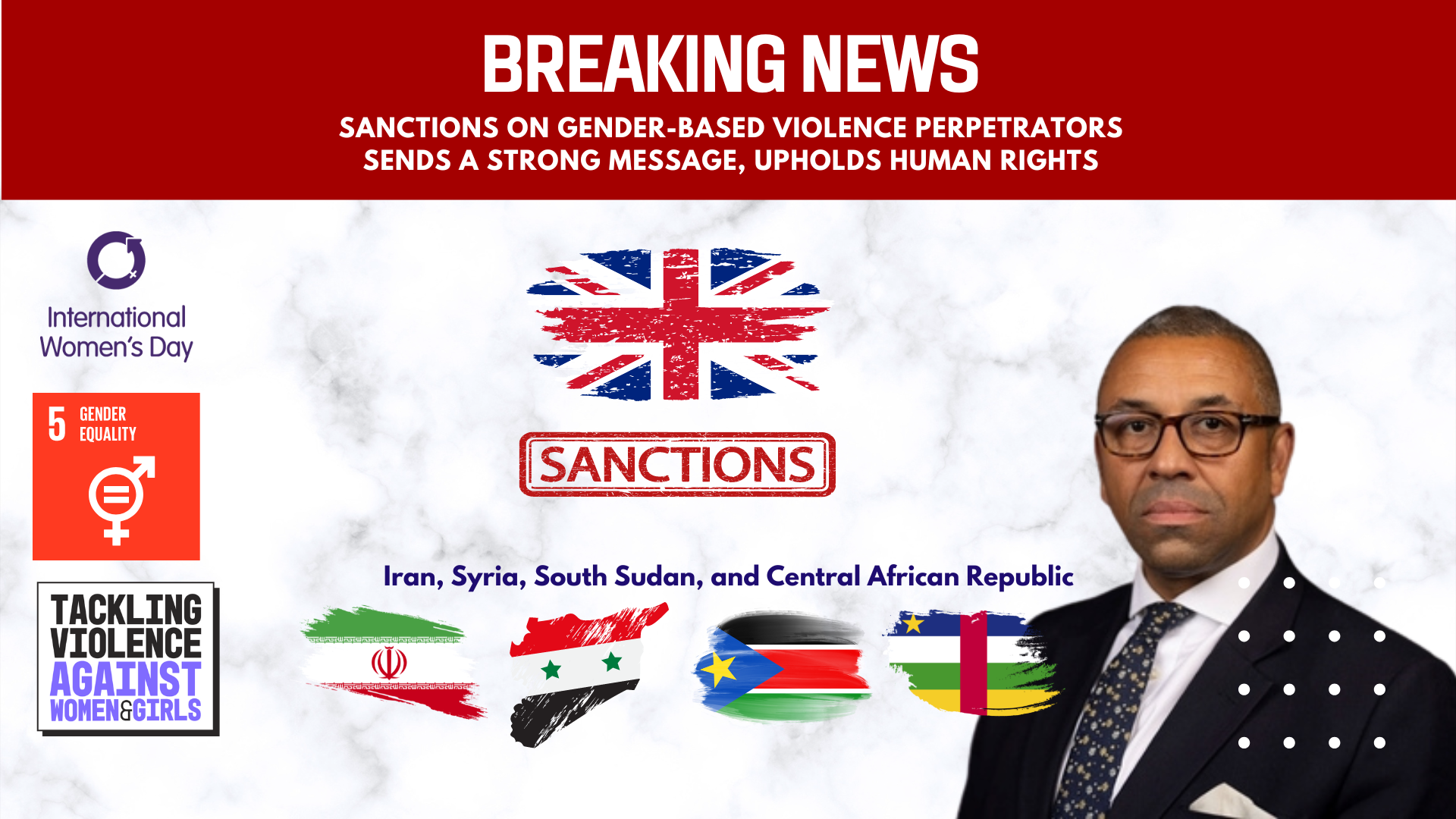
Foreign Secretary James Cleverly has announced a new package of sanctions aimed at human rights violators who target women and girls on International Women’s Day. The sanctions target individuals and entities in Iran, Syria, South Sudan, and the Central African Republic who have been involved in grievous activities, including military figures who have overseen rape and other forms of gender-based violence in conflicts.

Foreign Secretary James Cleverly has announced a new package of sanctions aimed at human rights violators who target women and girls on International Women’s Day. The sanctions target individuals and entities in Iran, Syria, South Sudan, and the Central African Republic who have been involved in grievous activities, including military figures who have overseen rape and other forms of gender-based violence in conflicts.

The Foreign Secretary is currently in Sierra Leone where he has been visiting UK-funded projects that are helping women and girls. He launched the FCDO’s first Women and Girls Strategy in Sierra Leone, which puts the rights of women and girls at the heart of everything the department does.

In a statement, Foreign Secretary James Cleverly said, “Promoting gender equality brings freedom, boosts prosperity and trade, and strengthens the security of us all. However, hard-won gains on gender equality are under increasing threat. These sanctions send a clear message that the perpetrators of abhorrent gender-based violence must be held accountable. We are increasing our efforts to stand up for women and girls, and will use all the tools at our disposal to tackle the inequalities which remain.”

The tough sanctions were announced after the Foreign, Commonwealth and Development Office earlier launched a new strategy which aims to tackle increasing threats to gender equality, from conflict to humanitarian crises to climate change.

The package of sanctions includes the following individuals and entities:

  • Major General James Nando, who commanded the South Sudan People’s Defence Forces, the main perpetrators of sexual and gender-based violence in Tambura County in 2021
  • Mahamat Salleh Adoum Kette, in Central Africa Republic (CAR), who has overseen rape and other forms of sexual and gender-based violence committed by Front Populaire pour la Renaissance de la Centrafrique (FPRC) and Coalition of Patriots for Change (CPC) fighters
  • Amjad Youssef, a member in ‘227 Region Branch’, who has been involved in repressing the civilian population in Syria, including through systematic rape and killing of civilians
  • The Headquarters for Enjoining Right and Forbidding Evil in Iran, and its head official Seyyed Mohammed Saleh Hashemi Golpayegani, who have been responsible for the enforcement of mandatory dress codes for women with unreasonable force

These sanctions are an important step in holding perpetrators accountable for their actions and sending a message that gender-based violence will not be tolerated. They also demonstrate the UK government’s commitment to promoting gender equality and empowering women and girls across the globe.

For example, the sanctions against the Iranian institutions responsible for enforcing mandatory dress codes for women demonstrate the UK’s support for Iranian women’s rights activists who have long been fighting against these oppressive laws. The sanctions against individuals involved in grievous activities in conflict zones also show that the UK is willing to take action to protect women and girls who are often the most vulnerable in such situations.

In conclusion, the UK’s new package of sanctions on International Women’s Day sends a strong message that perpetrators of gender-based violence will be held accountable. It is an important step in the UK government’s commitment to promoting gender equality and empowering women and girls across the globe.

Continue Reading

Trending