Connect with us

London Diary

Famous Night Clubs in London you must know, Read article here

Published

on

Famous Night Clubs in London you must know, Read article here

London plays host to some of the coolest nightclubs on the planet

  1. Fabric
    The Farringdon Club was conceived by people that go to clubs, for people that go to clubs. The space boasts three separate rooms: two with stages for live acts, one with a ‘bodysonic’ vibrating dancefloor, and all with their own independent sound systems – allowing clubbers to feel the music through their skeletons, via their ears, and even their feet! Over 19’s can visit any day of the week, because fabric is ‘never not making music’.
  2. Printworks
    No photo quite captures the sheer length of this uniquely shaped venue. Though merely a toddler in comparison to fabric, this venue has rapidly achieved popular status in its two years in the city. Once home to the largest printing factory in Western Europe, the original aesthetics, giant machines and printing presses have been preserved to create a stunning, industrial environment for a dynamic array of events. Their award-winning music series showcases the best live and electronic music, becoming a vital part of the London’s vibrant cultural scene amongst young people today.
  3. Magazine
    Magazine London
    Is the largest of its kind in London, boasting a 3,000 capacity interior which can extend to accommodate a further 7,000 people across the venue’s outdoor showground. Located in the heart of Greenwich Peninsula, Magazine offers breath-taking views of Canary Wharf, which makes for a truly magical end of your night/start of your morning, as the sun rises above this beautiful modern venue.
  4. Egg
    Based in an old victorian warehouse, Egg has a 24-hour licence so you can party all night long, just like Lionel. Expect Big Nights Out every Tuesday to Saturday, with DJs playing everything from hip hop to deep house.
  5. Tobacco Dock
    Over two centuries, this venue has worn many different identities. Starting in 1812 as a hub for wine, (unsurprisingly) tobacco, and other precious cargo arriving from the New World, Tobacco Dock originally spanned across 70 whole acres. Listed timbers and curved brick vaults have witnessed trade deals, a tiger attack, sleep deprivation challenges and Victorian tasting days. It has lived as a storage facility, a shopping centre, and now? It plays host to some of the most unforgettable club nights. Having scooped many local and national awards over the years, it is pretty much guaranteed you will have an amazing night at Tobacco Dock.
  6. XOYO
    Nestled in the quirky and charismatic borough of Shoreditch, XOYO spans across two floors, with a killer soundsystem that has defined the club as a late-night destination for party-ers across the city. On Saturdays, you will hear the sounds of what ‘XOYO loves’, with the club scheduling DJs and live acts that they are feeling right now.
    On weekdays, XOYO hosts unique live music performances, such as orchestra renditions of The Miseducation of Lauryn Hill. Sneak Tuesdays are all about house, tech and bass
  7. Ministry of Sound
    The first night at Ministry of Sound consisted of no alcohol, three flashing lights, and moody security, who—unless you knew the names of at least half-a-dozen Chicago house DJs—were never going to let you through their prison-like gates on the London club scene had heard about this new spot that had landed in the centre of the city. World class DJ talent is divided between four rooms, but head to The Box to experience the world’s first room in a nightclub built purely for exceptional sound quality, with towering speaker stacks, millions of watts of bass and triple-thick absorbing walls making for a whole-body experience. This is also the first ever club to use Dolby Atmos, giving artists the power to control where certain sounds are sent across the space.
  8. Corsica Studios
    Nestled within two railway arches in Elephant and Castle, Corsica Studios is a hidden underground gem. Recently awarded ‘Best of British 2019’ Small Club of the Year by DJ Mag, this legendary spot hosts a range of different club nights and events, ranging from all-night techno parties to live alt-rock gigs.
  9. Village Underground
    A creative, cultural hub made of four Jubilee line tube carriages and two shipping containers, hoisted into position on top of an old railway viaduct next to an old Victorian warehouse. Village Underground is a space for creative people to take advantage of, and making their entrance into the arts that bit easier. A eco-design features. Keeping it green on the clubbing scene!
  10. Electric Brixton
    Once known as The Ace, then The Fridge, and now Electric Brixton. A one million pound facelift gave it an amazing stage with unsurpassed sight-lines, making it the perfect venue for large scale music events in the cool and cultured borough of Brixton.

11.Brixton Jamm
From an 18th century travellers’ inn, to the Ye Old White Horse in the 19th century, and finally a wild music venue throwing parties for the past decade. Having hosted everyone from Hot Chip, Skepta, Massive Attack and Basement Jaxx to Adele, MGMT and Happy Mondays, it’s clearly an awesome space. Oh, and it has a banging outdoor terrace!

FOLDA

Former printing plant ran by former Shapes (Hackney Wick) manager, with one room, one bar, one smoking area, and a 24 hour licence. You can generally expect heavy techno and electro vibes at FOLD, but this changes throughout the night. You could enter at sunset listening to one genre, and leave the following afternoon hearing something completely different. Strictly no photos allowed — just enjoy the music, quite literally all day and all night. This really is a first for the London clubbing scene: it may be only a year old, but we hope this club will be sticking around for a while.

The Pickle Factory
Heels and Souls at ‘Pickle’. London’s coolest clubbing venues. The Pickle Factory occasionally joins forces with owners across the road at Oval Space to run huge nights across both venues.Phonox
Phonox club stands by the philosophy ‘dance floors are for dancing’, so phones off and dancing shoes on — let your hair down under that glistening disco ball.

.BUSSY BUILDING
This cultural hub in south east London hosts leading events not only in music, but theatre, dance, film and art also. The programme is dominated by disco, funk and soul in the Art Cafe, with a decent bit of reggae, afrobeat and dub weaved into the mix, too. But The Bussey Building is not a place where genres are super-glued to each floor: you could hear old school dubstep upstairs, or groovy 70s down below — you just never know where the night may go.

News Edit by K.V.Raman

Google search image.

Continue Reading
Click to comment

Leave a Reply

Your email address will not be published. Required fields are marked *

This site uses Akismet to reduce spam. Learn how your comment data is processed.

All

Unveiling the Controversial Secrets of London’s Red Light District: Shadows in Soho

Published

on

In the heart of London’s bustling Soho district lies a facet often obscured by the glitz and glamour – a red-light area shrouded in controversy. As we delve into the secrets and stories of this infamous locale, we uncover a complex tapestry of societal perspectives, personal narratives, and the perpetual debate surrounding the red light district.

Nestled amid the vibrant streets of Soho, London’s red-light district has been a subject of fascination and contention. Infamous for its dimly lit alleys and discreet entrances, this area has, over the years, become synonymous with an industry that exists on the fringes of societal acceptance.

The myriad of neon lights casts an eerie glow on the cobblestone streets, where the history of the red-light district intertwines with the broader narrative of Soho’s evolution. Once a bohemian haven, now a place where pleasure and prohibition coexist in a delicate dance.

Actor and Soho regular, Emma Watson, remarked, “Soho is a paradox – a place where creativity and controversy converge, revealing a side of London often unseen.”

Jazz musician Jamie Cullum shared his thoughts, saying, “Soho’s red-light district is a dichotomy, reflecting both the diversity and the challenges that define this iconic neighborhood.”

Local business owner, Sarah Turner, stated, “It’s a double-edged sword – the red light district draws attention, but the stereotypes associated with it sometimes overshadow the vibrant community that resides here.”

The red-light district is home to a spectrum of establishments – from discreet parlors offering adult entertainment to historic pubs and eclectic eateries. Each cobblestone tells a story, not only of intimate encounters but also of the evolving attitudes towards sex work, gentrification, and the preservation of Soho’s cultural heritage.

While some argue that the red-light district is an essential part of Soho’s identity, others contend that it perpetuates harmful stereotypes and poses challenges to community well-being. Local resident, Rebecca Carter, shared her perspective, “It’s about finding a balance – acknowledging the history without allowing it to define the neighborhood’s future.”

In contrast, entrepreneur and Soho enthusiast, David Patel, emphasized the need for a nuanced approach, stating, “Soho’s red-light district is a reflection of societal complexities. Rather than stigmatizing, let’s engage in open conversations about regulation and support for those involved.”

As the neon lights flicker against the backdrop of historic facades, London’s red-light district remains an enigma within the folds of Soho. The stories embedded in its narrow lanes echo the larger societal conversation on sexuality, consent, and the evolving landscape of urban spaces.

Continue Reading

All

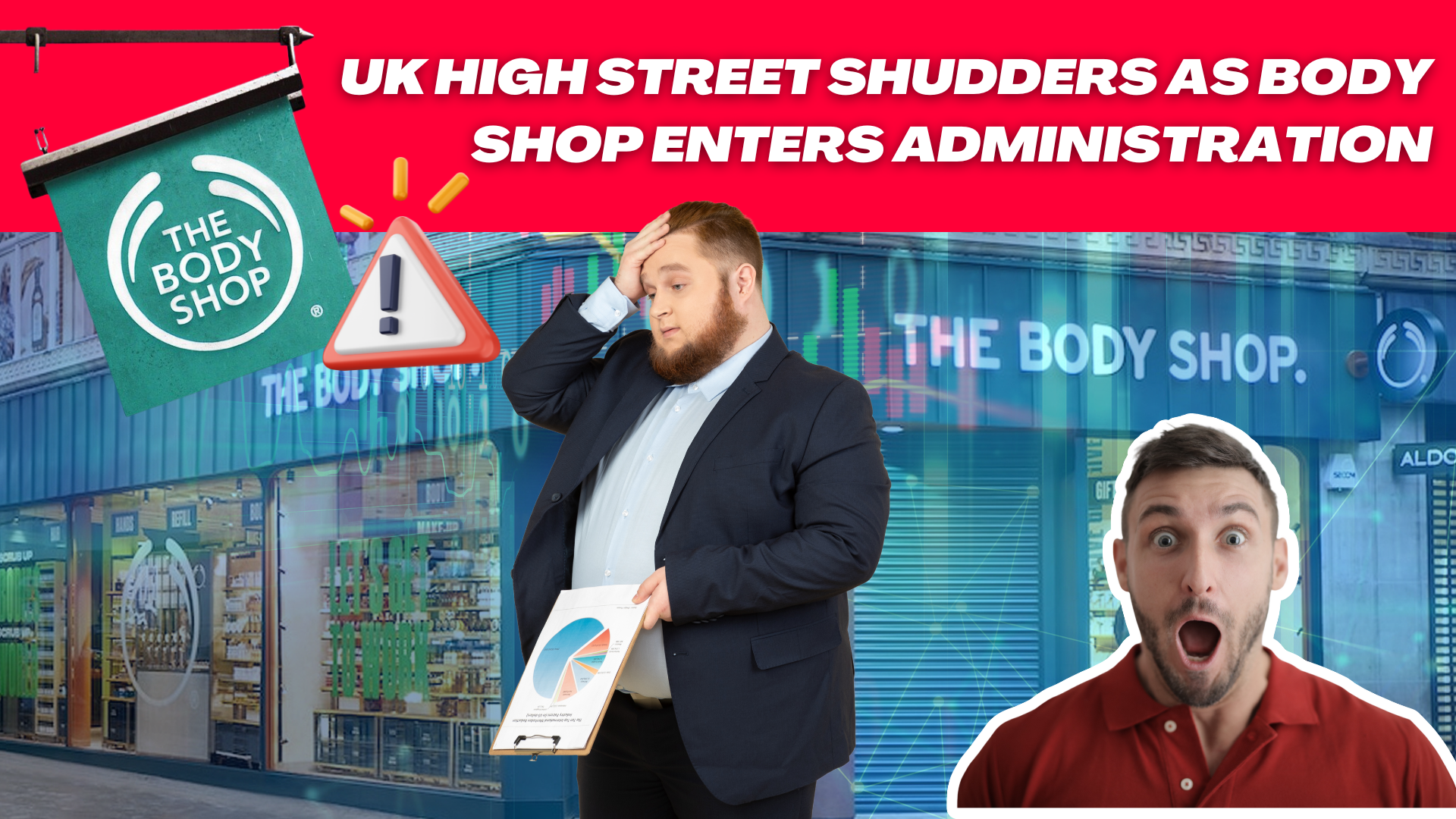
UK High Street Shudders as Body Shop Enters Administration, Putting 2,000 Jobs at Risk

Published

on

UK High Street Shudders as Body Shop Enters Administration, Putting 2,000 Jobs at Risk

London, UK – February 13, 2024: The beloved Body Shop, a household name in ethical beauty, has become the latest casualty of the UK’s retail crisis, entering administration and jeopardizing up to 2,000 jobs across its 90 stores. This news adds to mounting concerns about the fate of the high street and its workforce, already reeling from a wave of closures and job losses.

“This is devastating news for employees, communities, and the future of ethical retail,” said John Richards, General Secretary of the Retail Employees Union. “We urge the government to take immediate action to support affected workers and local businesses hit by store closures.”

The Body Shop’s collapse follows a string of high-profile retail casualties in recent years, including Debenhams (12,000 jobs lost), House of Fraser (thousands of job cuts), and the Edinburgh Woollen Mill Group (1,161 job losses). According to the British Retail Consortium (BRC), retail employment has shrunk by 3.9% compared to pre-pandemic levels, with over 128,000 jobs lost in 2023 alone.

What’s Driving the Retail Apocalypse?

Experts point to a confluence of factors:

  • The pandemic-fueled surge in online shopping: Consumers increasingly shift towards the convenience and wider selection offered by online retailers.
  • Crippling costs: Rising energy bills, wages, and supply chain disruptions squeeze profit margins.
  • Changing consumer habits: Preferences evolve towards personalized, experience-driven retail, which many traditional high street stores struggle to provide.

Retailers Divided, Experts Fear Further Losses:

The Independent Retailers Association (IRA) urges policymakers to “level the playing field” between online giants and high street businesses through fair taxation and regulations. However, others see opportunities in the crisis.

“This is a wake-up call for retailers to innovate,” says retail analyst Sarah Jones. “Stores need to offer unique experiences, embrace omnichannel strategies, and invest in employee skills to stay relevant.”

Is There Hope for the High Street?

Despite the gloomy outlook, some experts believe the high street can adapt and thrive. They suggest:

  • Focusing on local communities: Supporting independent businesses and revitalizing town centers can create vibrant, community-oriented shopping experiences.
  • Embracing sustainability: Consumers increasingly prioritize ethical and eco-friendly practices, providing an opportunity for brands that align with these values.
  • Investing in innovation: Experimenting with technology, personalized experiences, and omnichannel strategies can attract customers back to physical stores.

A Grim Toll:

  • Body Shop: 2,000 potential job losses across 90 stores.
  • 2023: Over 128,000 retail jobs lost, according to Express.co.uk.
  • Since 2020: Retail employment down by 3.9% compared to pre-pandemic levels, reports BRC.
  • High Street Vacancy Rates: Still above pre-pandemic levels, warns Fashion Network.

Beyond Body Shop:

  • Debenhams: Collapsed in 2021, impacting 12,000 employees.
  • Edinburgh Woollen Mill Group: 1,161 jobs lost in store closures across several brands.
  • House of Fraser: Rescued in 2020, but thousands of jobs cut.

Why the Slide?

  • Shift to Online Shopping: Accelerated by the pandemic, it’s reshaping retail landscapes.
  • Rising Costs: Energy, wages, and supply chain disruptions put pressure on profit margins.
  • Changing Consumer Habits: Preferences for online convenience and experience continue to evolve.

Views and Concerns:

  • Retail Employees Union: “Government must act to support workers and communities hit by store closures.”
  • Independent Retailers Association: “We need policies to level the playing field between online giants and high street businesses.”
  • Industry Experts: Warn of further store closures and job losses without government intervention and adaptation strategies.

Looking Ahead:

While the situation seems bleak, some see opportunities amidst the challenges:

  • Experts Propose Innovative store experiences, omnichannel strategies, and investment in employee skills.
  • Local Focus: Supporting independent businesses and revitalizing town centers.
  • Sustainable Practices: Consumers increasingly prioritize ethical and eco-friendly options.

What You Can Do:

  • Support local businesses and choose shops with ethical practices.
  • Advocate for fair treatment of retail workers and responsible policy changes.
  • Stay informed and raise awareness about the challenges facing the high street.

The Body Shop’s administration is a stark reminder of the vulnerabilities facing the UK’s retail sector. Whether the high street can survive and thrive depends on collective action, innovative thinking, and a commitment to creating a sustainable and ethical future for retail.

Continue Reading

All

Unveiling the Post Office Cover-Up: Inside the Horizon Scandal

Published

on

In a shocking revelation that has sent tremors through the corridors of power, documents obtained by the BBC expose a clandestine effort by Post Office executives to conceal critical information about the Horizon scandal. The scandal, which has been dubbed the biggest miscarriage of justice in UK history, centers around faulty computer software that falsely accused hundreds of sub-postmasters and postmistresses of theft. What unfolds in these documents reveals a web of deceit and manipulation that implicates top-level officials and raises serious questions about accountability and justice.

The documents reveal that Post Office bosses, under the guise of “Project Sparrow,” made covert decisions aimed at suppressing evidence of bugs in the Horizon IT system as early as April 2014. Led by Post Office chair Alice Perkins and chief executive Paula Vennells, the committee orchestrated plans to oust independent forensic accountants Second Sight, who had unearthed flaws in the system leading to wrongful prosecutions. Despite mounting pressure and the government’s awareness of the situation, Post Office executives remained steadfast in their denial, even as the cost of the scandal ballooned to over £1 billion. The ramifications of this cover-up extend far beyond financial losses, shattering lives, livelihoods, and trust in a system meant to serve the public good.

The Revelation of Project Sparrow: The unredacted minutes from April 2014 expose the inner workings of “Project Sparrow,” a clandestine operation orchestrated by Post Office leadership. Led by Alice Perkins and Paula Vennells, the committee made strategic decisions aimed at concealing evidence of Horizon system flaws, including plans to dismiss independent investigators Second Sight.

  1. Suppression of Evidence and Covert Maneuvers: Despite warnings dating back to 2013 and mounting evidence of system failures, Post Office executives actively suppressed information and devised strategies to minimize the scope of the scandal. The decision to remove Second Sight from its investigative role underscores a calculated effort to control the narrative and evade accountability.
  2. The Human Cost: Behind the veil of bureaucracy lies a human tragedy of epic proportions. Hundreds of innocent individuals faced wrongful prosecution, imprisonment, and financial ruin as a result of the Horizon debacle. Families torn apart, livelihoods destroyed, and lives irreparably damaged stand as testament to the real-world consequences of corporate negligence and government complicity.
  3. Calls for Accountability: As revelations come to light, calls for accountability reverberate across the political spectrum. Former sub-postmaster Alan Bates, a vocal advocate for justice, condemns the cover-up as “undeniable” proof of systemic corruption within the Post Office. Critics point fingers at government officials and corporate executives alike, demanding answers and swift action to address the injustices inflicted upon innocent victims.

Highlighted Points:

  • Post Office executives secretly plotted to conceal evidence of Horizon system flaws under “Project Sparrow.”
  • Coordinated efforts aimed at dismissing independent investigators and downplaying the magnitude of the scandal.
  • Human toll: Innocent individuals faced wrongful prosecution, imprisonment, and financial ruin.
  • Calls for accountability intensify as revelations shed light on systemic corruption and corporate negligence.

Conclusion: As the truth behind the Horizon scandal emerges from the shadows, the quest for justice enters a critical phase. The revelations contained within these documents serve as a stark reminder of the power dynamics at play and the urgent need for transparency, accountability, and reform within our institutions. The road ahead may be fraught with challenges, but the pursuit of truth and justice remains unwavering.

Steps for Readers to Get Involved:

  1. Stay Informed: Follow updates on the Horizon scandal and related investigations through reputable news sources.
  2. Support Victims: Extend empathy and solidarity to those impacted by the scandal, amplifying their voices and advocating for their rights.
  3. Demand Accountability: Hold government officials and corporate entities accountable for their actions, urging transparency and reform to prevent future injustices.

Continue Reading

Trending