Connect with us

Asian Community

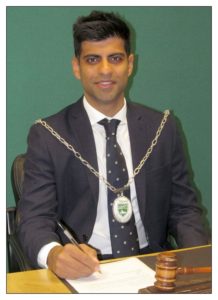
MEET U.K. BASED PRANAV BHANOT CHAIRMAN OF CHIGWELL PARISH COUNCIL.

Published

on

90 Seconds with Pranav Bhanot
NRI and one of the UK’s youngest Local Government chiefs
Pranav Bhanot (32) is one of the UK’s youngest council chiefs in his role as the chairman of Chigwell Parish Council, a local authority on the outskirts of London (United Kingdom). As leader of the council, he leads a team of locally elected politicians responsible for the decision making impacting a population of almost 12,500 residents on issues including taxation, local transport, planning/infrastructure and the local environment.
Having only been an elected councillor for just under 1-year, his ascent to leadership was quick and sharp with many lessons learnt along the way.
Kamal Prabhakar of Hello Mumbai News, speaks exclusively with Pranav Bhanot about his journey to leading a council, his plans for the future, the relationship between the United Kingdom and India as well as his books, “Get me Elected” and “A Living Bridge”.
KP. What has motivated you to have an active interest in politics?
PB. Growing up I lacked a lot of confidence and felt rather inferior to most of my school mates and peers. This could partly have been because for my early years at school, I struggled academically. At the age of 11, I had a reading age of an 8-year-old. I was also one of the smallest children in my class (perhaps partly due to being born 2 months premature). I felt frustrated in not being able to express myself and my thoughts. As I have grown older and grown with confidence, I have appreciated the importance of being empowered to express a point of view and I have resolved to make this part of my goal, to empower others and to provide a voice to them. It is for this reason, I decided to have an interest in politics and and it is indeed why I work as a lawyer, to essentially represent and speak out for my clients and constituents from the courtroom to the council chamber.
KP: What are the most challenging aspects of your role as Chairman of Chigwell Parish Council?
PB: I came into the role underestimating the task before me. Much of what I do involves learning on the job and applying common sense. Politicians are by nature confident and not afraid to express their opinion. In leading a team of politicians, often involves balancing a number of strong personalities and trying to negotiate and find pragmatic resolutions where conflicts exist.
Dealing with hate speech and trolls via social media never gets easier but unfortunately comes with the role of being actively elected in politics.
In the year of a pandemic, I have found it particularly challenging to ensure we are ready to assist the residents of Chigwell despite the multiple lockdowns and Government restrictions.
KP: How has the COVID-19 pandemic impacted your work in public life?
PB: There are so many active bodies and organisations doing great work (including of course, our NHS), and on the council we have worked to ensure we can promote the hard work of all these organisations and bodies who assist the residents in Chigwell.
Recently, we are proud to have secured funding to ensure all Chigwell residents can travel free of charge to obtain their vaccinations from allocated vaccination hubs.
Other initiatives have included setting up delivery networks so the most vulnerable residents do not go without their essential food and shopping, organising free school lunches for those who cannot attend school and cannot afford to buy lunches and also we started a disinfectant cleaning programme in public spaces in the Chigwell area.
KP: How do you balance life as a lawyer and leader of your council. What does your typical day look like?
PB: My working day usually starts around 8am (occasionally earlier if I need to look after my little one) and finishes around midnight. My day job as a litigation lawyer is rather intense and it is essential that I fully focus on my day job during the working day. Once I have finished my legal caseload for the day, I aim to go for a quick gym session and spending time with the family, before using the evenings to attend council meetings, reviewing agendas/minutes and responding to emails from residents. I often work most weekends, planning and wrapping up any unfinished work, before getting ready for a new week. It is a gruelling schedule but one which is incredibly satisfying.
KP: What advice do you have to any young people wishing to stand for an elected position?
PB: Politics can be a whole lot more than local or central Government roles. Politics could involve running to represent students in a class, year group or university or it could involve representing colleagues at your place of work. Therefore, if you have point of view on a matter, just get involved and don’t over think it. In any democratic process, it is important there is a wide demographic of candidates. Therefore, I believe there is a real need for more Black, Asian and Minority Groups and people of all genders putting their name forward to stand in elections. To stand in elections, find mentors/friends who will support your journey, be clear on the change you wish to see and get stuck in. Do not worry too much about the winning. It is far more effective to focus on running a strong campaign. My book, “Get Me Elected”, provides tips and tactics of getting elected in positions of responsibility.
KP: As an NRI, how do you see India and UK’s relationship developing in the future?
PB: I believe there is so much to look forward to between these two great countries and I believe the Indian Diaspora or the Living Bridge between the two countries are as important as the politicians to ensure the relationship between the two countries goes from strength to strength. I very much hope and believe a trade deal between the India and UK is imminent and hope the UK continues to be the country of choice for Indian students to study. We have the world’s best universities in the UK and we want global brains to study here. From a legal standpoint, I hope more law firms and professional services can establish themselves in India . I enjoyed a particularly close relationship with the Late Smt Sushma Swaraj (foreign secretary of India) and spoke with her at length about ideas of strengthening the relationship between the two countries which are also set out in the book that I edited “The Living Bridge”.
KP: What do you do when you are not working?
PB: I enjoy keeping fit and reading to maintain a strong body and strong mind. I enjoy reading self-development books and some of my favourites include: “Think Like a Monk” by Jay Shetty, “How to Win Friends and Influence People” by Dale Carnegie and “The Power of Now” by Eckhart Tolle.
I also very much enjoy spending time with my incredibly supportive family including my grandparents, parents, in-laws, siblings and of course my beautiful wife and baby boy.

Continue Reading
Click to comment

Leave a Reply

Your email address will not be published. Required fields are marked *

This site uses Akismet to reduce spam. Learn how your comment data is processed.

All

Unveiling the Controversial Secrets of London’s Red Light District: Shadows in Soho

Published

on

In the heart of London’s bustling Soho district lies a facet often obscured by the glitz and glamour – a red-light area shrouded in controversy. As we delve into the secrets and stories of this infamous locale, we uncover a complex tapestry of societal perspectives, personal narratives, and the perpetual debate surrounding the red light district.

Nestled amid the vibrant streets of Soho, London’s red-light district has been a subject of fascination and contention. Infamous for its dimly lit alleys and discreet entrances, this area has, over the years, become synonymous with an industry that exists on the fringes of societal acceptance.

The myriad of neon lights casts an eerie glow on the cobblestone streets, where the history of the red-light district intertwines with the broader narrative of Soho’s evolution. Once a bohemian haven, now a place where pleasure and prohibition coexist in a delicate dance.

Actor and Soho regular, Emma Watson, remarked, “Soho is a paradox – a place where creativity and controversy converge, revealing a side of London often unseen.”

Jazz musician Jamie Cullum shared his thoughts, saying, “Soho’s red-light district is a dichotomy, reflecting both the diversity and the challenges that define this iconic neighborhood.”

Local business owner, Sarah Turner, stated, “It’s a double-edged sword – the red light district draws attention, but the stereotypes associated with it sometimes overshadow the vibrant community that resides here.”

The red-light district is home to a spectrum of establishments – from discreet parlors offering adult entertainment to historic pubs and eclectic eateries. Each cobblestone tells a story, not only of intimate encounters but also of the evolving attitudes towards sex work, gentrification, and the preservation of Soho’s cultural heritage.

While some argue that the red-light district is an essential part of Soho’s identity, others contend that it perpetuates harmful stereotypes and poses challenges to community well-being. Local resident, Rebecca Carter, shared her perspective, “It’s about finding a balance – acknowledging the history without allowing it to define the neighborhood’s future.”

In contrast, entrepreneur and Soho enthusiast, David Patel, emphasized the need for a nuanced approach, stating, “Soho’s red-light district is a reflection of societal complexities. Rather than stigmatizing, let’s engage in open conversations about regulation and support for those involved.”

As the neon lights flicker against the backdrop of historic facades, London’s red-light district remains an enigma within the folds of Soho. The stories embedded in its narrow lanes echo the larger societal conversation on sexuality, consent, and the evolving landscape of urban spaces.

Continue Reading

All

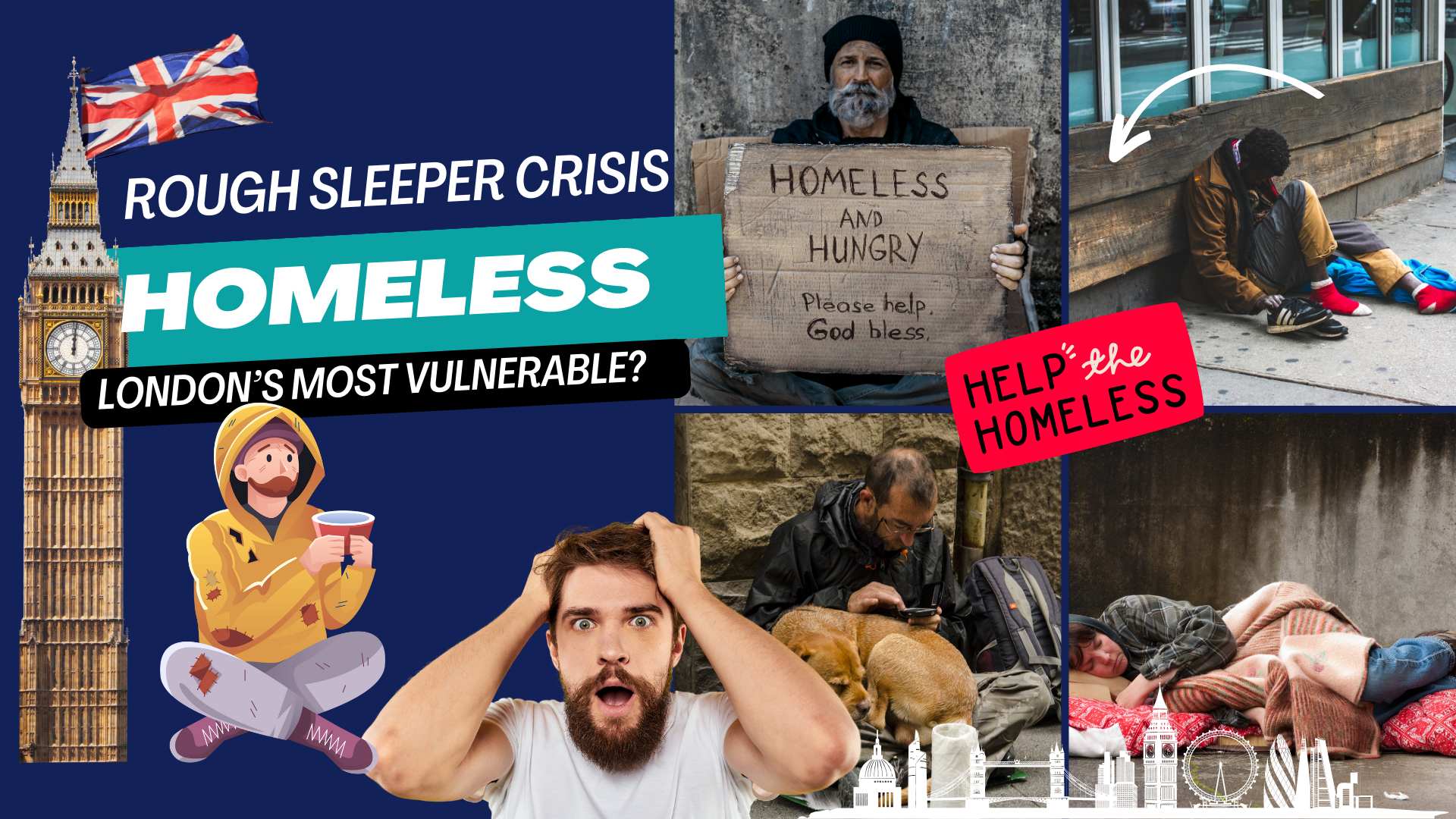
London’s Rough Sleeper Crisis: A City Forgetting Its Most Vulnerable?

Published

on

The iconic skyline of London, a glittering symbol of wealth and prosperity, casts a long shadow over a growing darkness: the stark reality of homelessness. While tourists flock to Big Ben and Buckingham Palace, a staggering number of Londoners find themselves sleeping rough on cold, unforgiving streets. This escalating crisis demands immediate attention, with questions swirling about how a city boasting such abundance can allow its most vulnerable to slip through the cracks.

Celebrity Captions Fighting London’s Homelessness Crisis:

Emma Watson: In a city dripping with diamonds, some sleep on cold concrete. London, we can do better. Donate, volunteer, raise your voice. Let’s end homelessness, not turn a blind eye. #LondonHomelessCrisis #EveryLifeMatters

Idris Elba: London’s streets shouldn’t cradle despair, they should echo with laughter. Support mental health services for our homeless community, they’re our neighbors, our friends, our fellow humans. #MentalHealthMatters #EndRoughSleeping

Rita Ora: From Big Ben to Big Hearts. 1 in 50 Londoners homeless?! That’s not a statistic, it’s a wake-up call. Contact your MP, demand better housing, fight for a city that shelters all. #HousingForAll #LondonUnite

David Beckham: Goals without humanity are empty nets. London, let’s show our true strength – invest in social housing, build homes not barriers. #ShelterNotStigma #HomelessHelp

Dua Lipa: We’re dancing on broken pavements while some have nowhere to lay their heads. Let’s raise the beat of compassion, London. Volunteer, share resources, be the change you want to see. #VolunteeringForAll #CommunityStrength

Stephen Fry: In a city of whispers, let’s amplify the voices of the forgotten. Share the stories of London’s homeless, break the silence, spark action. #StorytellingForChange #BreakingTheSilence

Jamie Oliver: No Londoner should go hungry, period. Support food banks, community kitchens, offer a warm meal, a friendly smile. Food is love, let’s share it with everyone. #FoodForAll #CommunityKitchenLove

Recent statistics paint a grim picture: rough sleeping in London has jumped 12% compared to last year, with London Councils estimating one in 50 Londoners experiencing homelessness. These figures only scratch the surface, neglecting the “hidden homeless” – those sleeping on friends’ couches, in squats, or facing insecure accommodations. Experts like Tony Miller MBE, CEO of Whitechapel Mission, warn of a growing acceptance of rough sleeping, a chilling sentiment echoed by Liz Rutherfoord, CEO of the Single Homeless Project. They point to insufficient mental health support and a broken private rental market as major contributing factors.

Controversial Point:

While some may argue that London’s homeless population reflects a national issue, the sheer concentration of wealth and resources in the city amplifies the ethical dissonance. A 2023 report highlighted Westminster, London’s most expensive borough, with the highest number of rough sleepers (2050) – almost triple the figure of the second-highest area. This juxtaposition of extreme wealth and abject poverty raises uncomfortable questions about priorities and societal values.

Conclusion:

London’s homeless crisis is not simply a numbers game; it’s a human tragedy. Ignoring the plight of our most vulnerable citizens cannot be an option. Immediate action is needed: increased investment in social housing, tackling the mental health crisis within the homeless population, and a fundamental shift in attitudes towards rough sleeping. The city we build is reflected in how we treat our most marginalized, and London risks losing its soul if it allows its homeless population to remain on the periphery.

Steps You Can Take:

  • Donate to homeless charities: Organizations like Whitechapel Mission and the Single Homeless Project work tirelessly to support rough sleepers.
  • Volunteer your time: Soup kitchens, shelters, and outreach programs often depend on volunteers.
  • Raise awareness: Talk to your friends, family, and elected officials about the issue.
  • Challenge stigma: Don’t avert your gaze or dismiss rough sleepers as invisible. Treat them with the respect and dignity they deserve.

Together, we can work towards a London where everyone has a roof over their head and a place to call home. Let’s make the iconic London skyline a beacon of hope, not a monument to indifference.

Continue Reading

All

Sanctions Targeting Gender-Based Violence in Iran, Syria, South Sudan, and Central African Republic: A Detailed Analysis of the Importance and Impact International Women’s Day #DigitALL

Published

on

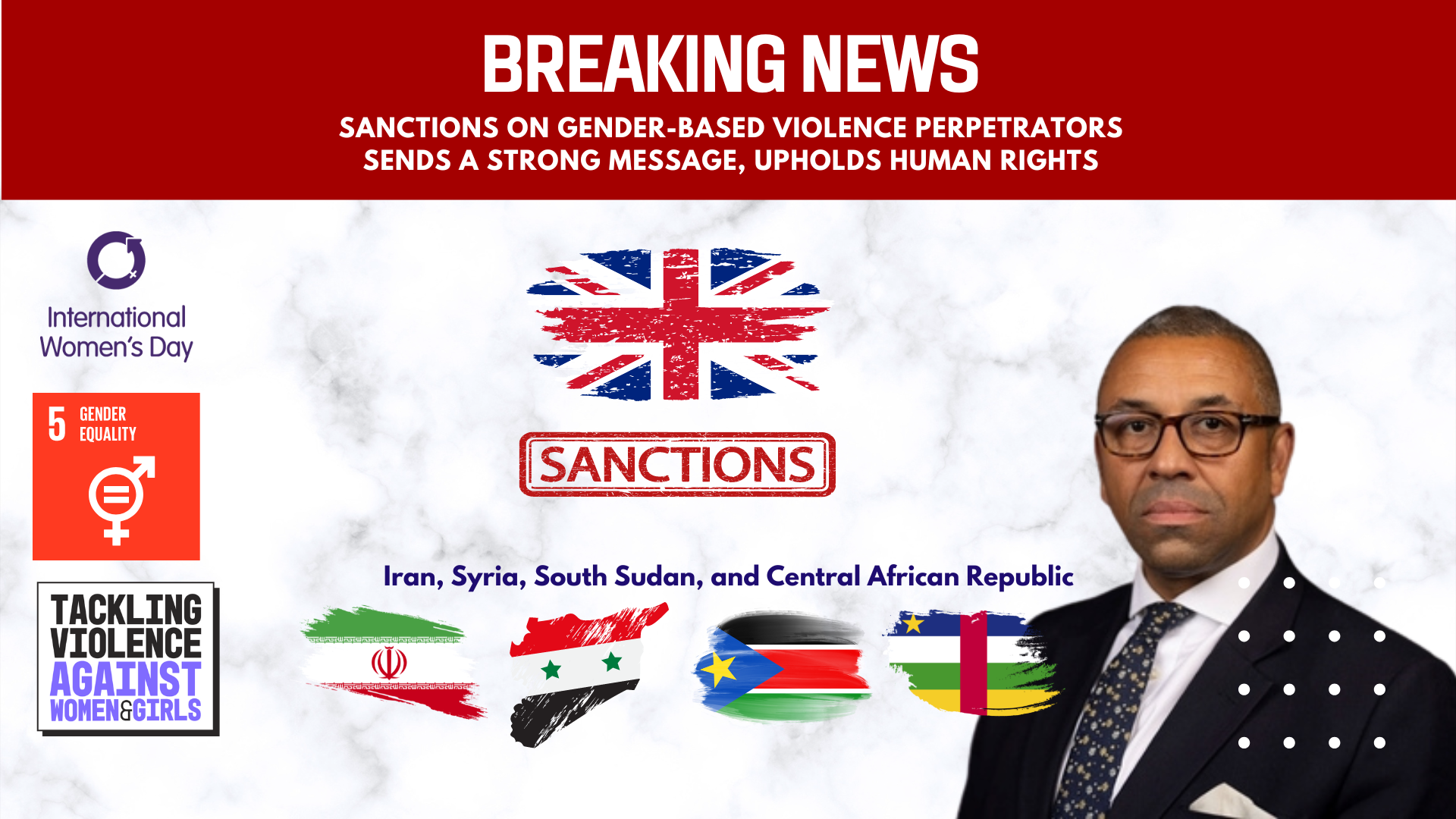
Foreign Secretary James Cleverly has announced a new package of sanctions aimed at human rights violators who target women and girls on International Women’s Day. The sanctions target individuals and entities in Iran, Syria, South Sudan, and the Central African Republic who have been involved in grievous activities, including military figures who have overseen rape and other forms of gender-based violence in conflicts.

Foreign Secretary James Cleverly has announced a new package of sanctions aimed at human rights violators who target women and girls on International Women’s Day. The sanctions target individuals and entities in Iran, Syria, South Sudan, and the Central African Republic who have been involved in grievous activities, including military figures who have overseen rape and other forms of gender-based violence in conflicts.

The Foreign Secretary is currently in Sierra Leone where he has been visiting UK-funded projects that are helping women and girls. He launched the FCDO’s first Women and Girls Strategy in Sierra Leone, which puts the rights of women and girls at the heart of everything the department does.

In a statement, Foreign Secretary James Cleverly said, “Promoting gender equality brings freedom, boosts prosperity and trade, and strengthens the security of us all. However, hard-won gains on gender equality are under increasing threat. These sanctions send a clear message that the perpetrators of abhorrent gender-based violence must be held accountable. We are increasing our efforts to stand up for women and girls, and will use all the tools at our disposal to tackle the inequalities which remain.”

The tough sanctions were announced after the Foreign, Commonwealth and Development Office earlier launched a new strategy which aims to tackle increasing threats to gender equality, from conflict to humanitarian crises to climate change.

The package of sanctions includes the following individuals and entities:

  • Major General James Nando, who commanded the South Sudan People’s Defence Forces, the main perpetrators of sexual and gender-based violence in Tambura County in 2021
  • Mahamat Salleh Adoum Kette, in Central Africa Republic (CAR), who has overseen rape and other forms of sexual and gender-based violence committed by Front Populaire pour la Renaissance de la Centrafrique (FPRC) and Coalition of Patriots for Change (CPC) fighters
  • Amjad Youssef, a member in ‘227 Region Branch’, who has been involved in repressing the civilian population in Syria, including through systematic rape and killing of civilians
  • The Headquarters for Enjoining Right and Forbidding Evil in Iran, and its head official Seyyed Mohammed Saleh Hashemi Golpayegani, who have been responsible for the enforcement of mandatory dress codes for women with unreasonable force

These sanctions are an important step in holding perpetrators accountable for their actions and sending a message that gender-based violence will not be tolerated. They also demonstrate the UK government’s commitment to promoting gender equality and empowering women and girls across the globe.

For example, the sanctions against the Iranian institutions responsible for enforcing mandatory dress codes for women demonstrate the UK’s support for Iranian women’s rights activists who have long been fighting against these oppressive laws. The sanctions against individuals involved in grievous activities in conflict zones also show that the UK is willing to take action to protect women and girls who are often the most vulnerable in such situations.

In conclusion, the UK’s new package of sanctions on International Women’s Day sends a strong message that perpetrators of gender-based violence will be held accountable. It is an important step in the UK government’s commitment to promoting gender equality and empowering women and girls across the globe.

Continue Reading

Trending