Connect with us

All

The Controversial HS2 Project: The White Elephant Project with Undervalued Nature, Overvalued Compensation, and Alarming Fundamental Flaws

Published

on

"The Controversial HS2 Project: Undervalued Nature, Overvalued Compensation, and Alarming Flaws" "HS2 Project: A Critique of Nature Assessment and Compensation Measures"

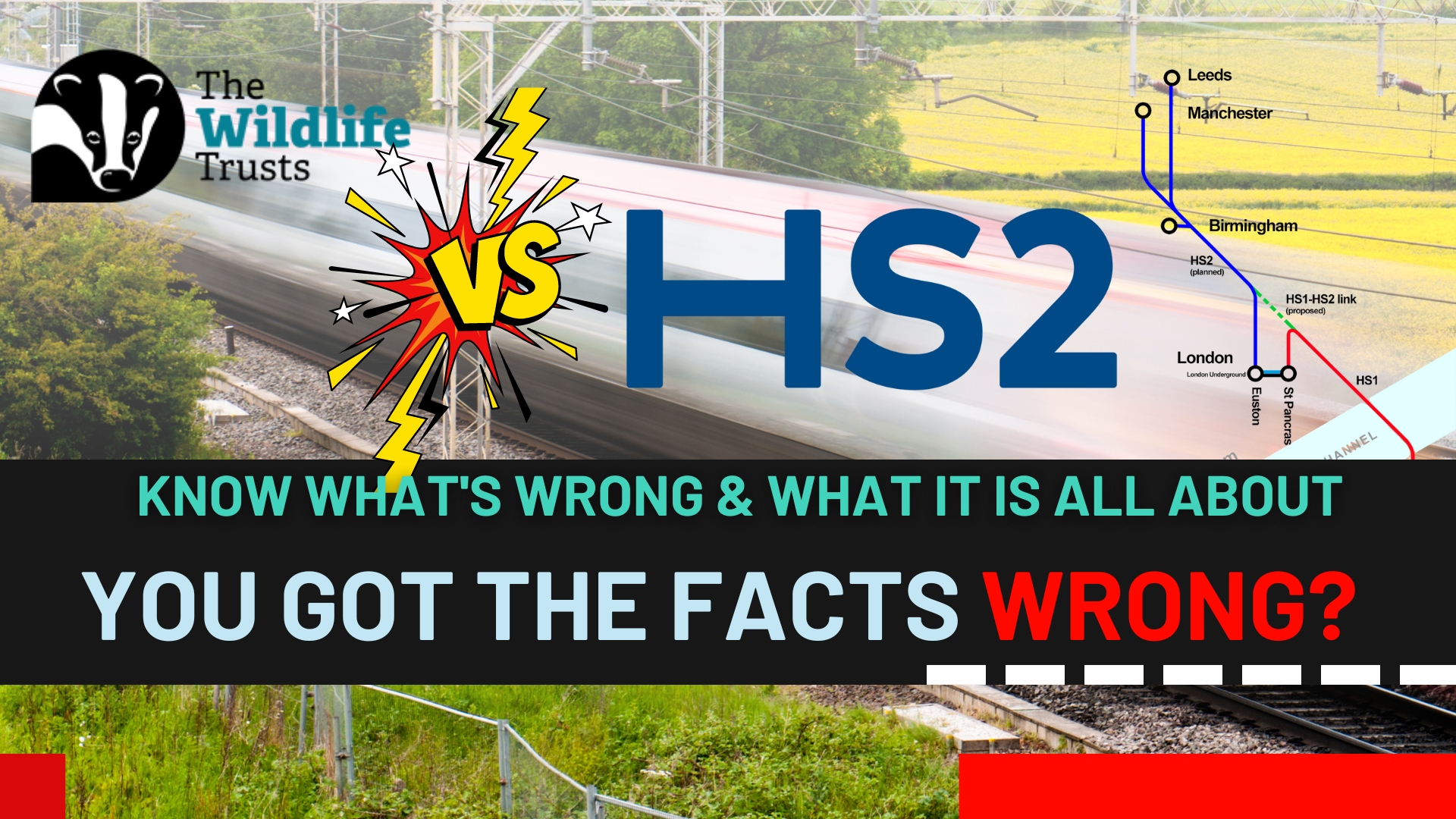
A new report has shown that the HS2 project, which is building a high-speed rail line in the UK, has made big mistakes in how it is handling nature and wildlife along the construction route.

Hello Global Media, along with research firm IR9 Ltd assessed that the report says that the company in charge, HS2 Ltd, has undervalued the natural habitats and wildlife being destroyed, and overvalued its plans to fix the damage. For example, in one part of the project, the report says that at least 7.9 times more nature will be lost than the company has estimated. The report also says that the company’s plans to make up for the loss of nature are flawed and untested. The report found that HS2 Ltd has made mistakes in how it is counting the value of wildlife habitats, and there are many trees, watercourses and other things that have been missed. The report says that the company’s promises to not let nature lose out are not being kept, and there will be much less nature after the construction is done.

In simple terms, the comparison of how much nature will be lost after the HS2 construction is as follows:

For Phase 1, the new report says that there will be a minimum of 17.36% loss of nature, while the company in charge, HS2 Ltd, says there will only be a 2.60% loss. For Phase 2a, the new report says that there will be a minimum of 42.80% loss of nature, while HS2 Ltd says there will only be a 17.01% loss.

HS2, or High Speed 2, is a proposed high-speed railway project in the United Kingdom, designed to connect London with the cities of Birmingham, Manchester and Leeds. The project has faced numerous controversies since its inception and has been a topic of heated debate in Parliament and among the general public.

The HS2 project was first proposed in 2009 as a way to address the increasing demand for rail travel in the UK and to reduce congestion on existing railway lines. The initial plans were for a high-speed railway running from London to the West Midlands, with plans for further extensions to northern cities. The project was expected to cost around £32 billion and was scheduled to be completed by 2026.

However, the project has faced numerous setbacks and controversies, including allegations of overspending, environmental damage, and disruption to communities. Critics of the project have argued that the cost has spiralled out of control and that the benefits of the project have been overstated. The latest estimate of the cost of the project is around £106 billion, making it one of the most expensive infrastructure projects in the UK’s history.

One of the most controversial aspects of the HS2 project has been its impact on the environment. The project has faced opposition from environmental groups, who have raised concerns about the destruction of ancient woodlands, habitats, and the displacement of wildlife. The project has also faced criticism for its impact on communities, with many residents of the affected areas claiming that their homes and businesses will be destroyed or disrupted.

For Phase 1 (2021 scheme), the Wildlife Trusts’s assessment indicates a minimum net loss of 4,367 NNL units (17.36% loss of the pre-construction biodiversity value in NNL Units).

This compares to a net loss of 555 NNL units (2.60% loss of the pre-construction biodiversity value in NNL units), as calculated by HS2 Ltd.

For Phase 2a, the Wildlife Trusts assessment indicates a minimum net loss of 4,891 NNL units (42.80% loss of the pre-construction biodiversity value in NNL Units). This compares to a net loss of 1,342 NNL units (17.01% loss of the pre-construction biodiversity value in NNL units), as calculated by HS2 Ltd.

In Parliament, the HS2 project has been the subject of intense debate, with many politicians speaking out against the project. In 2019, the then-Shadow Chancellor, John McDonnell, described the project as a “white elephant”, while the then-Secretary of State for Transport, Chris Grayling, defended the project, saying that it was “vital for the future of the country”.

The funding for the HS2 project has been a contentious issue, with some arguing that the project is a waste of public funds. The project is being funded by a combination of government grants, private investment, and a levy on train tickets. Critics of the project have argued that the cost is too high and that the money would be better spent on other projects, such as upgrading existing rail infrastructure or investing in renewable energy.

Top famous quotes on The HS2:

  1. “The cost of HS2 has spiralled out of control.” – Boris Johnson, UK Prime Minister, in 2019 during a press conference.
  2. “HS2 is a catastrophic waste of taxpayers’ money.” – Margaret Hodge, former Chair of the Public Accounts Committee, in 2020 during a parliamentary debate.
  3. “We need to think hard about whether HS2 is the best way to spend billions of pounds on rail investment.” – Ed Miliband, former UK Labour leader, in 2013 in an article for The Guardian newspaper.
  4. “I cannot support HS2, it’s a £100 billion white elephant.” – John Redwood, Conservative MP, in 2013 during a parliamentary debate.
  5. “The case for HS2 is weak and getting weaker.” – Vince Cable, former UK Liberal Democrat leader, in 2013 during a speech at the Royal Society of Arts.
  6. “We need a full review of HS2’s costs, benefits and the impact on the environment.” – Caroline Lucas, Green Party MP, in 2016 during a parliamentary debate.
  7. “It’s time to pull the plug on this vanity project.” – David Davis, Conservative MP, in 2016 during a speech in the House of Commons.

These quotes reflect the diverse views and controversies surrounding the HS2 project, including concerns about its high cost and impact on the environment.

In conclusion, the HS2 project has been surrounded by controversy since its inception. Despite support from some quarters, the project has faced opposition from environmental groups, communities, and politicians, and has been criticized for its cost, environmental impact, and disruption to communities. The future of the HS2 project remains uncertain, with many questions about its funding and viability still to be answered.

Continue Reading
Click to comment

Leave a Reply

Your email address will not be published. Required fields are marked *

This site uses Akismet to reduce spam. Learn how your comment data is processed.

All

Britain’s ‘Kindest Plumber’ Faked Acts of Kindness to Raise Donations

James Anderson, often celebrated as “Britain’s kindest plumber,” has come under intense scrutiny after revelations that his social enterprise, Depher, fabricated stories to boost donations. The BBC investigation discovered that Depher used photos of deceased individuals and misled the public about its charitable acts.

Published

on

James Anderson, often celebrated as "Britain's kindest plumber," has come under intense scrutiny after revelations that his social enterprise, Depher, fabricated stories to boost donations. The BBC investigation discovered that Depher used photos of deceased individuals and misled the public about its charitable acts.

James Anderson, often celebrated as “Britain’s kindest plumber,” has come under intense scrutiny after revelations that his social enterprise, Depher, fabricated stories to boost donations. The BBC investigation discovered that Depher used photos of deceased individuals and misled the public about its charitable acts.

James Anderson, 56, founded Depher (Disabled and Elderly Plumbing and Heating Emergency Response) in 2017. The company quickly gained fame for its heartwarming stories of providing free services to vulnerable people during the UK’s cost-of-living crisis. These stories attracted significant media attention and financial support, with celebrities like Lily Allen, Samantha Giles, and Hugh Grant contributing generously. However, many of these stories were later found to be false.

One of the most egregious examples involved an elderly woman named Joyce. Depher’s social media claimed that Anderson had prevented Joyce from committing suicide by providing her with hot water. However, Joyce had actually died in February 2020, a year before Depher began using her image. Her daughter, Andrea, told the BBC, “He’s using vulnerable people like my mother as a money-making machine.”

Despite Depher’s positive public image, the BBC’s investigation revealed a pattern of misleading posts. Anderson admitted, “I know I’ve done it wrong. I apologise. But what can I do? I haven’t got a magic stick. I’m not Harry Potter.” He attributed some of his actions to a relentless campaign of “bullying, harassment, and attacks” from online trolls.

Depher’s social media posts often featured vulnerable individuals without their consent. In one instance, the company posted images of a man in his nineties, sharing sensitive information about his sexuality despite the man’s explicit refusal to be filmed. A neighbor who knew the man for 30 years said, “He was a private person, he would never agree to anything like that. I think that’s disgusting.”

The company also falsely accused a domestic abuse victim named Gemma of theft, using photos of her and her children without permission. Gemma said, “It was probably the most vulnerable I have been in my life. They’ve just made something that’s very private to my life very, very public.”

Furthermore, the investigation revealed that Anderson had used company funds to purchase a house and a car. Anderson defended the house purchase by claiming it allowed him to reopen a food drive that benefited the community. However, this explanation did not satisfy all critics.

Depher had claimed to help over two million people, but Anderson later admitted these figures were “guesstimates.” He said, “It’s the overall effect, we’ve not just helped that one person but the family members.”

Former employees also raised concerns about safety practices within Depher. One staff member recalled an engineer smoking near a leaking boiler, an incident captured in photos posted by the company. Anderson described the gas as “isolated” and the work as “safe,” but the Gas Safe Register confirmed that only Anderson was properly registered.

In response to the allegations, Anderson has attempted to apologize and make amends. He told the BBC, “I apologise, I really do apologise. And I hope you can find it in your heart to accept it. I’m really sorry and I will make amends.”

Highlighting the scale of the issue, Anderson has received thank-you letters from dignitaries, including the late Queen and King Charles, and won a Pride of Manchester award. However, his reputation has been severely tarnished by these revelations.

Supporters of Depher argue that the organization has genuinely helped many people, providing essential services during a time of need. Critics, however, emphasize the importance of transparency and integrity in charitable work. The misuse of funds and false stories undermine the trust necessary for effective community support.

As Anderson seeks forgiveness, the broader conversation about ethical practices in charity organizations continues. This scandal serves as a reminder of the need for accountability and honesty, even in efforts to do good.

Key Points:

  • James Anderson, known as “Britain’s kindest plumber,” fabricated stories of helping vulnerable people to raise donations for his company, Depher.
  • Depher used photos of deceased individuals and posted misleading information on social media.
  • Celebrities like Lily Allen and Hugh Grant donated to Depher based on these false stories.
  • Anderson admitted to using company funds to purchase a house and a car, defending these actions as necessary for the community.
  • Former employees raised concerns about safety practices and the misuse of funds within Depher.
  • Anderson has apologized and is seeking forgiveness, promising to make amends.

Continue Reading

All

Unveiling the Controversial Secrets of London’s Red Light District: Shadows in Soho

Published

on

In the heart of London’s bustling Soho district lies a facet often obscured by the glitz and glamour – a red-light area shrouded in controversy. As we delve into the secrets and stories of this infamous locale, we uncover a complex tapestry of societal perspectives, personal narratives, and the perpetual debate surrounding the red light district.

Nestled amid the vibrant streets of Soho, London’s red-light district has been a subject of fascination and contention. Infamous for its dimly lit alleys and discreet entrances, this area has, over the years, become synonymous with an industry that exists on the fringes of societal acceptance.

The myriad of neon lights casts an eerie glow on the cobblestone streets, where the history of the red-light district intertwines with the broader narrative of Soho’s evolution. Once a bohemian haven, now a place where pleasure and prohibition coexist in a delicate dance.

Actor and Soho regular, Emma Watson, remarked, “Soho is a paradox – a place where creativity and controversy converge, revealing a side of London often unseen.”

Jazz musician Jamie Cullum shared his thoughts, saying, “Soho’s red-light district is a dichotomy, reflecting both the diversity and the challenges that define this iconic neighborhood.”

Local business owner, Sarah Turner, stated, “It’s a double-edged sword – the red light district draws attention, but the stereotypes associated with it sometimes overshadow the vibrant community that resides here.”

The red-light district is home to a spectrum of establishments – from discreet parlors offering adult entertainment to historic pubs and eclectic eateries. Each cobblestone tells a story, not only of intimate encounters but also of the evolving attitudes towards sex work, gentrification, and the preservation of Soho’s cultural heritage.

While some argue that the red-light district is an essential part of Soho’s identity, others contend that it perpetuates harmful stereotypes and poses challenges to community well-being. Local resident, Rebecca Carter, shared her perspective, “It’s about finding a balance – acknowledging the history without allowing it to define the neighborhood’s future.”

In contrast, entrepreneur and Soho enthusiast, David Patel, emphasized the need for a nuanced approach, stating, “Soho’s red-light district is a reflection of societal complexities. Rather than stigmatizing, let’s engage in open conversations about regulation and support for those involved.”

As the neon lights flicker against the backdrop of historic facades, London’s red-light district remains an enigma within the folds of Soho. The stories embedded in its narrow lanes echo the larger societal conversation on sexuality, consent, and the evolving landscape of urban spaces.

Continue Reading

All

UK High Street Shudders as Body Shop Enters Administration, Putting 2,000 Jobs at Risk

Published

on

UK High Street Shudders as Body Shop Enters Administration, Putting 2,000 Jobs at Risk

London, UK – February 13, 2024: The beloved Body Shop, a household name in ethical beauty, has become the latest casualty of the UK’s retail crisis, entering administration and jeopardizing up to 2,000 jobs across its 90 stores. This news adds to mounting concerns about the fate of the high street and its workforce, already reeling from a wave of closures and job losses.

“This is devastating news for employees, communities, and the future of ethical retail,” said John Richards, General Secretary of the Retail Employees Union. “We urge the government to take immediate action to support affected workers and local businesses hit by store closures.”

The Body Shop’s collapse follows a string of high-profile retail casualties in recent years, including Debenhams (12,000 jobs lost), House of Fraser (thousands of job cuts), and the Edinburgh Woollen Mill Group (1,161 job losses). According to the British Retail Consortium (BRC), retail employment has shrunk by 3.9% compared to pre-pandemic levels, with over 128,000 jobs lost in 2023 alone.

What’s Driving the Retail Apocalypse?

Experts point to a confluence of factors:

  • The pandemic-fueled surge in online shopping: Consumers increasingly shift towards the convenience and wider selection offered by online retailers.
  • Crippling costs: Rising energy bills, wages, and supply chain disruptions squeeze profit margins.
  • Changing consumer habits: Preferences evolve towards personalized, experience-driven retail, which many traditional high street stores struggle to provide.

Retailers Divided, Experts Fear Further Losses:

The Independent Retailers Association (IRA) urges policymakers to “level the playing field” between online giants and high street businesses through fair taxation and regulations. However, others see opportunities in the crisis.

“This is a wake-up call for retailers to innovate,” says retail analyst Sarah Jones. “Stores need to offer unique experiences, embrace omnichannel strategies, and invest in employee skills to stay relevant.”

Is There Hope for the High Street?

Despite the gloomy outlook, some experts believe the high street can adapt and thrive. They suggest:

  • Focusing on local communities: Supporting independent businesses and revitalizing town centers can create vibrant, community-oriented shopping experiences.
  • Embracing sustainability: Consumers increasingly prioritize ethical and eco-friendly practices, providing an opportunity for brands that align with these values.
  • Investing in innovation: Experimenting with technology, personalized experiences, and omnichannel strategies can attract customers back to physical stores.

A Grim Toll:

  • Body Shop: 2,000 potential job losses across 90 stores.
  • 2023: Over 128,000 retail jobs lost, according to Express.co.uk.
  • Since 2020: Retail employment down by 3.9% compared to pre-pandemic levels, reports BRC.
  • High Street Vacancy Rates: Still above pre-pandemic levels, warns Fashion Network.

Beyond Body Shop:

  • Debenhams: Collapsed in 2021, impacting 12,000 employees.
  • Edinburgh Woollen Mill Group: 1,161 jobs lost in store closures across several brands.
  • House of Fraser: Rescued in 2020, but thousands of jobs cut.

Why the Slide?

  • Shift to Online Shopping: Accelerated by the pandemic, it’s reshaping retail landscapes.
  • Rising Costs: Energy, wages, and supply chain disruptions put pressure on profit margins.
  • Changing Consumer Habits: Preferences for online convenience and experience continue to evolve.

Views and Concerns:

  • Retail Employees Union: “Government must act to support workers and communities hit by store closures.”
  • Independent Retailers Association: “We need policies to level the playing field between online giants and high street businesses.”
  • Industry Experts: Warn of further store closures and job losses without government intervention and adaptation strategies.

Looking Ahead:

While the situation seems bleak, some see opportunities amidst the challenges:

  • Experts Propose Innovative store experiences, omnichannel strategies, and investment in employee skills.
  • Local Focus: Supporting independent businesses and revitalizing town centers.
  • Sustainable Practices: Consumers increasingly prioritize ethical and eco-friendly options.

What You Can Do:

  • Support local businesses and choose shops with ethical practices.
  • Advocate for fair treatment of retail workers and responsible policy changes.
  • Stay informed and raise awareness about the challenges facing the high street.

The Body Shop’s administration is a stark reminder of the vulnerabilities facing the UK’s retail sector. Whether the high street can survive and thrive depends on collective action, innovative thinking, and a commitment to creating a sustainable and ethical future for retail.

Continue Reading

Trending